Leave a babysitter a small approved supply set, a page or blank paper, and a brief note about your child’s preferences and household rules. Make coloring optional, name the cleanup spot, and leave emergency and care information separately through your usual private handoff.
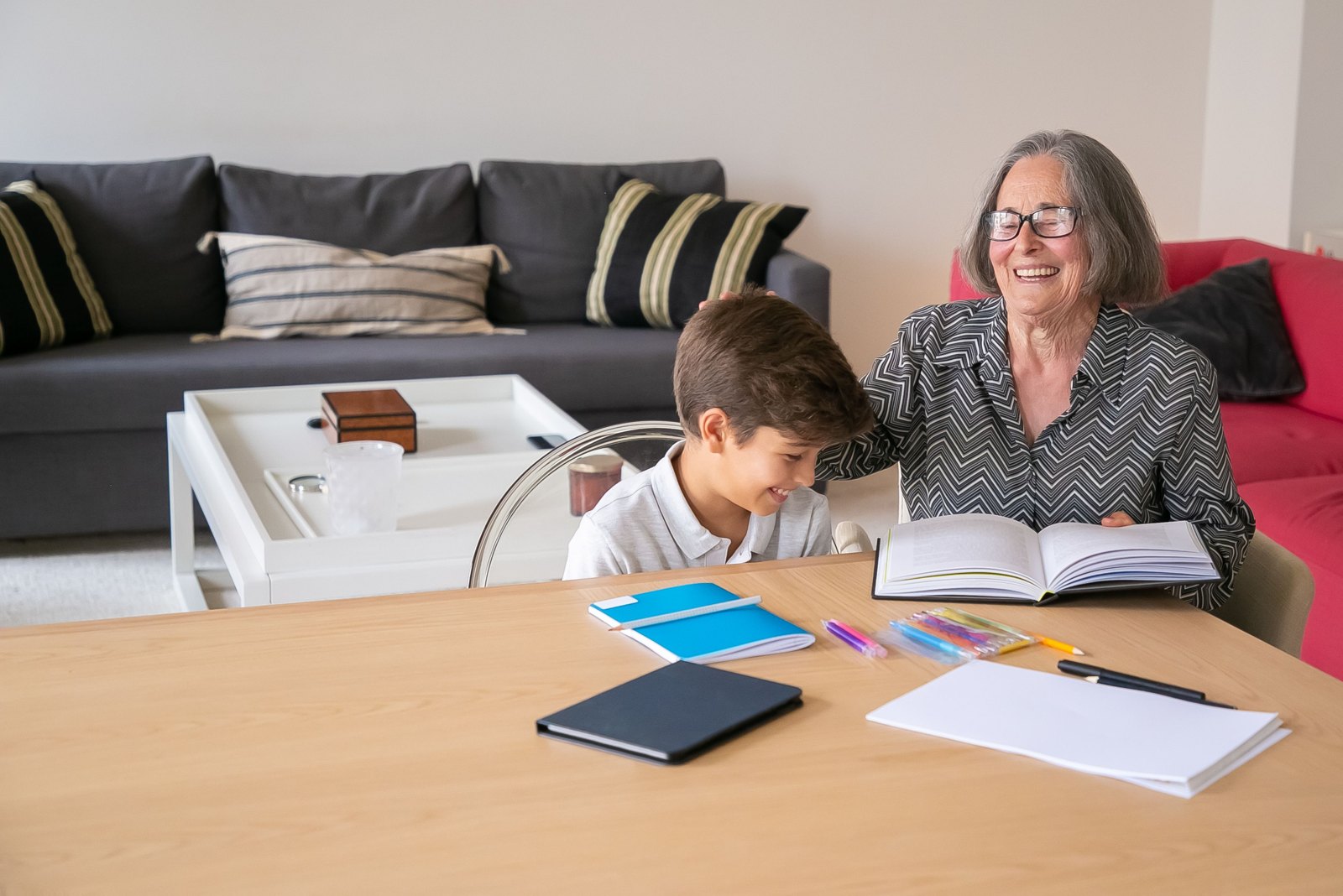
Photo: Kampus Production / Pexels. Used under the Pexels License. Illustrative stock photography; people shown are not endorsing the book.
A babysitter does not need an elaborate lesson plan to offer coloring. A short, specific activity note can make the supplies easier to find and explain which choices are welcome in your household. Keep the activity separate from essential care instructions.
Prepare a small set you already use
Put familiar approved coloring tools, blank paper, and an optional book in one visible place. Check that the tools are usable and that the chosen page is accessible. Avoid introducing a new material the caregiver has not been told how to supervise or clean up.
Choose the surface in advance. The note can say “Use the kitchen table after it is cleared” or “The drawing tray goes on this desk.” Keep snacks and drinks arranged according to your household rules, and make the reset location obvious.
Write a brief activity card
| Heading | Example note |
|---|---|
| Where | The blue tray is on the shelf. |
| Tools | Use the crayons in the tray; other materials are not part of this plan. |
| Invitation | Would you like a book page or blank paper? |
| Preference | They may want to draw an animal rather than color an outline. |
| Ending | Save work in the named folder and return tools to the tray. |
Adapt these examples to your actual household. Do not put emergency numbers, addresses, health details, or other private care information into a publicly shared activity template. Give that information to the caregiver through your usual private process.
Offer an invitation, not a required task
A useful opening is “There is coloring if you want it. Would you like a page or a plain sheet?” If the child declines, the caregiver can choose another approved activity. Coloring should not become something they must finish to satisfy a parent’s note.
If the child begins, offer one concrete prompt: “Your animal can choose a place to visit.” The child can draw a door, a path, or nothing extra. The sitter does not need to produce a polished piece to show you afterward.
Keep the first attempt short
Use the activity for as long as it remains suitable within the care plan. A few minutes may be enough. A child who wants to stop can bookmark the page or place the loose drawing in the folder. The caregiver’s supervision and the household routine take priority over completing the art.
Tell the sitter what not to change without asking
- Do not cut pages out of the book unless that has been agreed.
- Do not use additional art materials merely because they are in the room.
- Ask the child before adding marks to their picture.
- Follow your agreement about photographs and sharing.
These are activity boundaries you can adapt, not a substitute for discussing care responsibilities. Explain anything important before you leave rather than expecting a paper note to cover every situation.
Make cleanup part of the handoff
Show the folder, tray, and waste bin. Tell the sitter whether unfinished artwork should be kept. A clearly labeled place removes the guesswork at the end and makes the activity easy to offer again without requiring the child to explain your organization system.
Frequently asked questions
Should I ask the babysitter to finish a page with my child?
Make the activity optional and let the caregiver follow the agreed care routine. A finished picture is not the goal of the handoff.
Can this replace the main babysitting instructions?
No. Leave essential care, contact, and emergency information separately and discuss it privately. This is only an optional activity plan.
Choose your next small activity
Keep a book beside the blank paper
For a separate coloring choice, Wild Little Wonders: Baby Animals is an English paperback for ages 4–8 with 40 baby animals, large coloring pages, and short animal facts. Preview real inside pages and check the book details, then view the paperback on Amazon for current price and delivery. The activities above also work with your own original drawings; no purchase is needed.
Explore Baby Animals
See the actual inside pages before deciding whether the book fits your child.
Check the paperback on Amazon