Choose broad coloring spaces when your child wants sweeping marks, and detailed pages when they enjoy small sections. Preview the actual picture and test a similarly sized space with the tool they will use; age alone does not decide the fit.
A large book can contain tiny spaces, and a small book can contain a broad outline. “Big” describes the cover only when you have not inspected the interior. Compare the usable coloring areas your child will encounter.
Look at three areas in the preview
Choose a visible body area, a smaller face feature, and a background detail. Ask whether your child’s favorite crayon or pencil can make the kind of mark they want in each. A page full of small decorations may create more narrow spaces than its animal outline first suggests.
Do not judge only by line thickness. A bold outline can surround a very small area. The amount of open paper inside it matters too.
Compare practical choices
| Page style | May appeal when | Check closely |
|---|---|---|
| Broad open areas | The child wants large patches and fewer sections | Whether the subject still interests them |
| Many small sections | The child enjoys choosing colors for little details | Whether the tool fits the narrow spaces |
| Mixed layout | The child wants different amounts of detail | How much variation the actual book provides |
The table describes preferences, not developmental rankings. A child can like a detailed page one day and a broad one the next.
Try a scrap-paper fit test
- Draw one large enclosed shape on scrap paper.
- Draw a smaller shape beside it.
- Offer the usual coloring tool.
- Ask which area the child wants to try.
- Notice whether the chosen space and tool work together comfortably.
This cannot reproduce the book’s paper or binding. It can reveal whether a tiny pictured area matches the child’s preferred marks before you commit to a whole format.
Keep a page from becoming a completion contract
If a detailed picture contains dozens of leaves, the child can choose just the animal or one part of the background. If that selective approach would frustrate them, inspect a less crowded preview instead of promising they will learn to love the page.
A worked choice
A child who wants to use a broad crayon might choose the animal with a large body and a few surrounding objects. A child who enjoys fine pencil marks may choose the busier scene. Offer both real samples without calling one the grown-up option.
Frequently asked questions
Does a seven-year-old need detailed pages?
No. Preference, subject, and tool fit are more useful than an age-only rule.
Can we enlarge a preview ourselves?
Enlarging on a screen helps inspect details, but it does not change the size of the printed book page. Check the actual trim size.
Should I choose the most designs for the price?
Only after inspecting how many of those designs your child would want to use. Quantity and fit answer different questions.
Choose the next animal picture together
Let your child look at an actual inside page rather than deciding from a cover alone. Preview Baby Animals, the first adventure presented in Little Wonder Club’s Wild Little Wonders series. The current site lists an English 8.5 × 11-inch paperback for ages 4–8, with 40 baby animals, short facts, and 88 total pages. These companion activities are original journal ideas; check the preview for the book’s actual contents.
View the paperback and current ordering details on Amazon.
Keep exploring
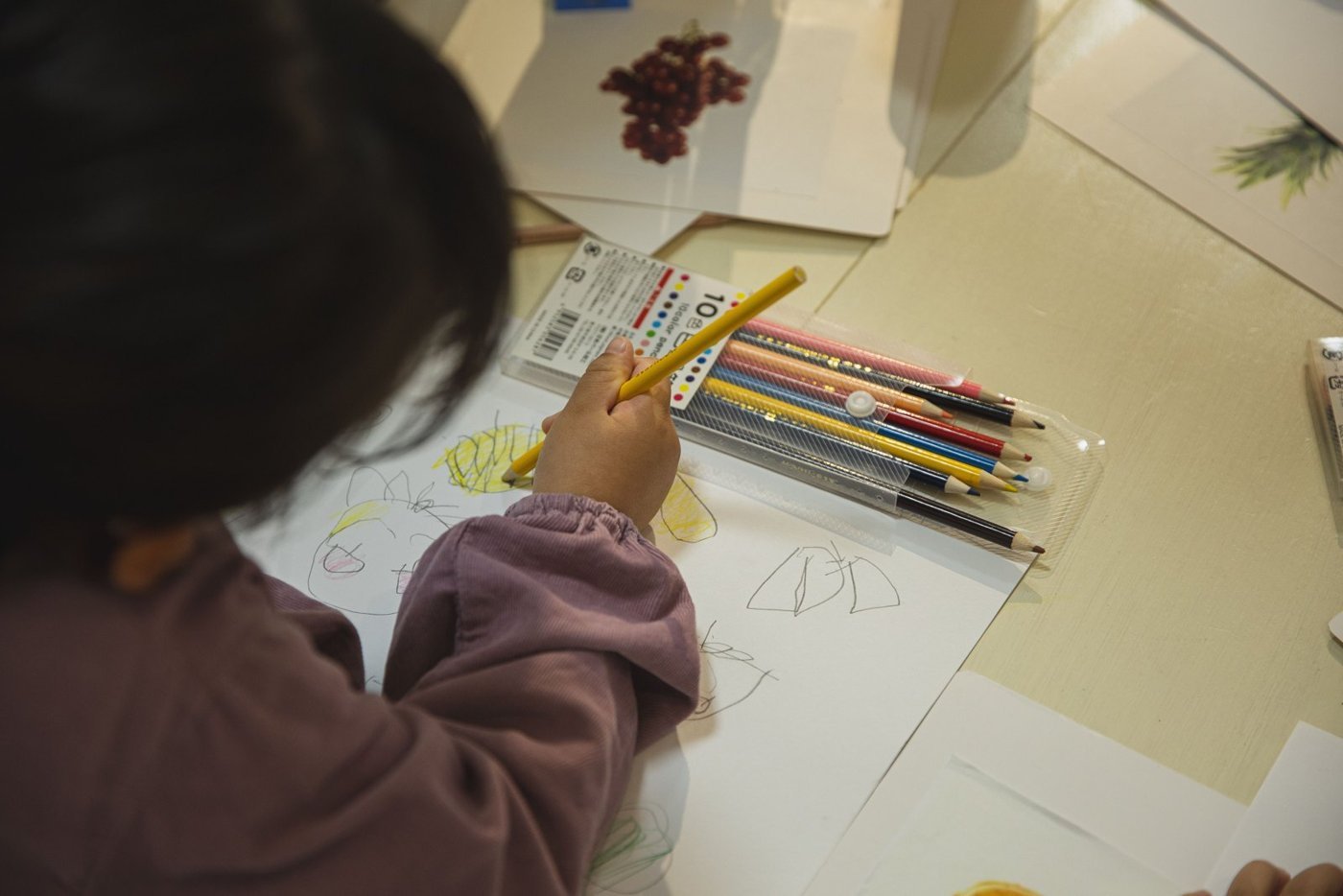
Illustrative stock photograph by Ryutaro Tsukata on Pexels, under the free Pexels License. It does not show our book or demonstrate the exact activity. Sources and book details checked October 12, 2026.
Explore Baby Animals
See the actual inside pages before deciding whether the book fits your child.
Check the paperback on Amazon