Observe two or three natural colors, make pencil swatches on paper, and choose the closest-looking marks under your current lighting. Use the selected colors for an original animal scene; a pencil match is an artistic approximation.
A leaf can contain more than one green, while a pencil barrel shows only a printed color. Matching the visible leaf with actual paper swatches turns that difference into a useful palette experiment. You can observe from a window or a permitted outdoor spot without collecting anything.
Choose only two or three references
Look at a broad patch of leaves, a tree trunk, or a stone already visible in your setting. Avoid using tiny moving objects as a first reference. Let the child choose the feature they want to represent.
If you return indoors, use a short dictated note such as “dark green leaves” rather than claiming the remembered color is exact. Different lighting can change how the comparison appears.
Make swatches, not guesses from the barrels
- Choose two pencils that might match one observed color.
- Make a broad patch with each on the same spare sheet.
- Place the patches beside one another.
- Ask which looks closer to the chosen reference.
- Keep the chosen pencil and its swatch together.
Repeat for one or two other colors. There is no need to test the entire pencil box. The child can choose a favorite approximation when neither mark seems exact.
Use the palette in an original scene
Draw a pretend animal with room around it. Choose where the observed colors will appear: a tree, ground patch, or the creature itself. Label an unrealistic animal color as an invented choice rather than a fact about the species.
A worked palette
The child chooses a dark green from visible foliage, a warm brown from a trunk, and a pale gray from a stone. Their picture might place those colors in a simple background while leaving the animal mostly the paper color.
Record the comparison clearly
| Observed feature | Our chosen pencil | What we changed |
|---|---|---|
| Leaf patch | Name or swatch | Possibly lighter or darker than the reference |
| Trunk or stone | Name or swatch | Our artistic approximation |
The record is a design note, not a measurement of pigment or a test of visual ability. A child can dictate the observation while an adult writes.
Frequently asked questions
Do we need to pick leaves?
No. Observe them where they are. A window view can provide enough reference for a first palette.
What if our set lacks the color?
Choose the closest visible swatch or use a clearly invented substitute. A missing shade can become a specific future supply note.
Is this the same as a nature journal?
This project focuses on selecting a palette from swatches. A journal records broader observations and can be a separate activity.
Does a photo guarantee an exact color?
No. Lighting and display affect its appearance. Treat any match as a practical drawing choice.
A coloring option to inspect together
If your child wants an animal outline after this activity, look at the real pages before choosing a book. Preview Baby Animals, the first adventure presented in Little Wonder Club’s Wild Little Wonders series. The current site lists an English 8.5 × 11-inch paperback for ages 4–8, with 40 baby animals, short facts, and 88 total pages. These companion activities are original journal ideas; check the preview for the book’s actual contents.
View the paperback and current ordering details on Amazon.
Keep exploring
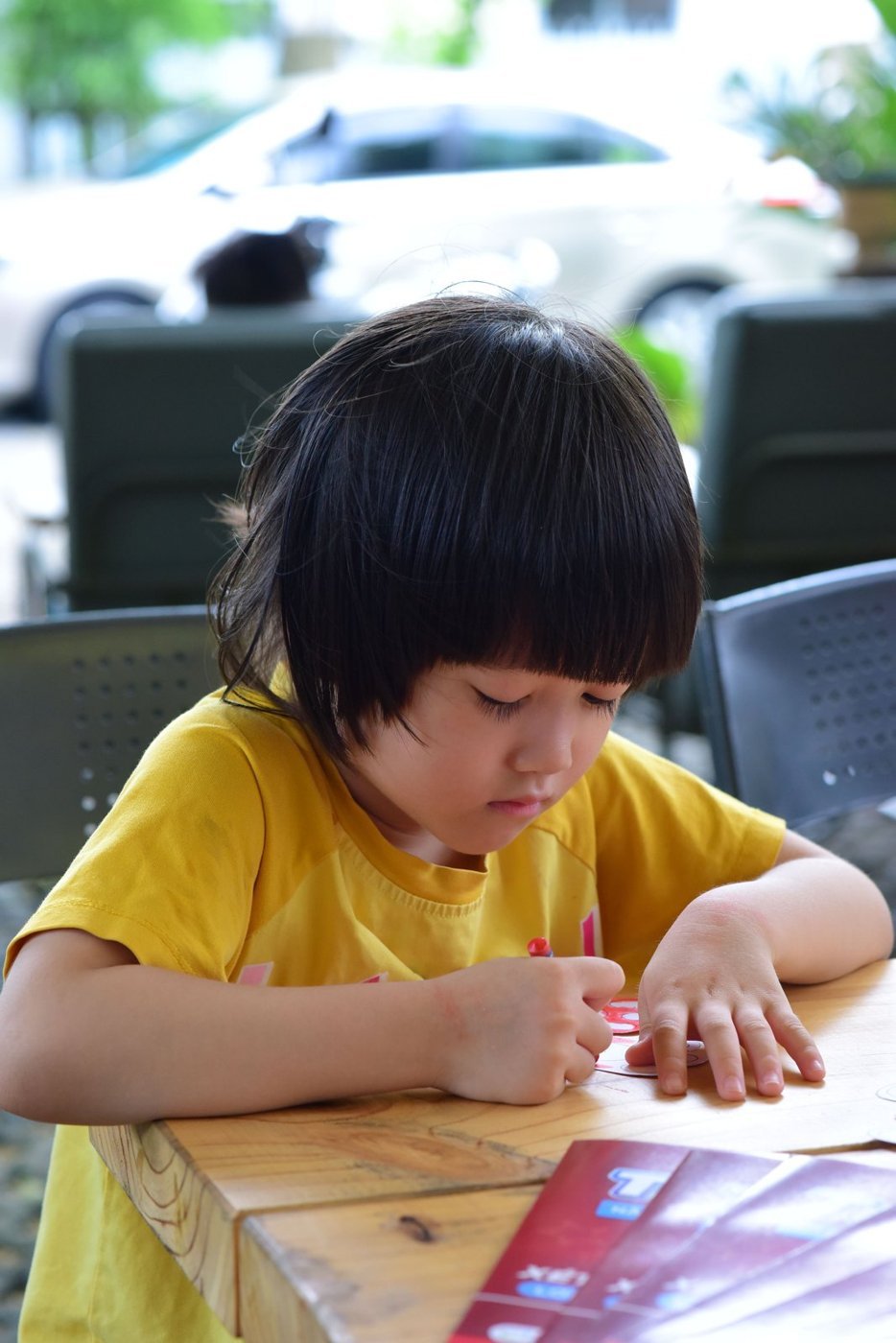
Illustrative stock photograph by Sóc Năng Động on Pexels, under the free Pexels License. It does not show our book or demonstrate the exact activity. Sources and book details checked October 12, 2026.
Explore Baby Animals
See the actual inside pages before deciding whether the book fits your child.
Check the paperback on Amazon