Choose licensed printable pages when you want a particular picture immediately and have a printer ready. Choose a paperback when you want a collection kept together without printing each session. Neither format is always cheaper or better; the right choice depends on your supplies, storage and how your child uses pages.
It is a rainy afternoon, your child wants an animal picture, and you have two possible routes: find a printable or open a book. The picture itself matters, but so does everything required before the first crayon touches paper. This comparison helps you choose a format without treating a free file as automatically effortless or a paperback as automatically necessary.
Compare the setup, not just the price tag
| Decision | Licensed printable pages | Bound paperback |
|---|---|---|
| Starting today | Possible if the file, printer, paper and ink are ready. | Immediate if you own it; a new order needs delivery. |
| Choosing a theme | Useful for one specific picture or a changing theme. | Useful for browsing a defined collection. |
| Keeping work together | Needs a folder, tray or another storage plan. | Pages remain together in the binding. |
| Several children | Check that the license permits the copies you need. | Plan separate books or original drawings; do not assume copying permission. |
| Paper choice | You select paper compatible with your printer. | You use the paper supplied in the edition. |
| Travel | A few sheets can fit a clipboard or folder. | A book keeps the collection together, but size matters. |
When a printable is the sensible choice
A printable can solve a narrow request: “I want a frog today.” If you have a file you are permitted to print, you can prepare one picture instead of buying a whole collection. It also lets you choose among available paper types, subject to your printer's instructions.
Before you promise an instant activity, check the actual setup. Is the printer working? Will the page fit the selected paper size? Is the image readable at normal print size? Is there a clean surface and a way to keep the sheet from sliding? A page that looked simple on a screen can contain very small areas on paper.
For group use, read the license rather than assuming that “free” means unrestricted. Personal home printing and classroom distribution may have different terms. Keep the source and permission information with your saved file so you do not have to reconstruct it next time.
When a paperback earns its place
A bound book can be convenient when your child likes returning to a familiar collection. You can open a marked page, keep unfinished work inside and store the book beside the crayons. There is no file selection or printer step for each session.
That convenience comes with tradeoffs. You cannot choose the paper after purchasing, and the book's dimensions may not suit every travel bag or small table. If two children want the same picture, one copy does not create two individual pages. If your child wants removable sheets, verify that feature rather than assuming every coloring paperback includes it.
Work out your real costs
A printable file may cost nothing while using paper, ink and your time. A paperback has a listed price and may have delivery charges. There is no universal break-even point because printers, supplies, local prices and editions differ.
Use this household calculation rather than a made-up average: write down the number of sheets you expect to print, your estimated paper and ink cost for those sheets, and any file purchase price. Compare that total with the delivered price of the book you are considering. Keep time and convenience as separate notes instead of pretending they have the same monetary value for every family.
Try a simple format decision
- Need one particular animal today? Use a permitted printable if your printer is ready, or draw your own version on blank paper.
- Want a ready collection for repeat sessions? Look at a paperback's interior and layout.
- Preparing for several children? Check printable permissions or plan individual books and supplies.
- Choosing mainly for travel? Measure your bag and working surface before deciding between sheets, a smaller book and a larger paperback.
You can use both formats. A book can be your regular collection while original drawings or appropriately licensed printables fill occasional requests. Buying a paperback does not need to replace everything you already use.
A real paperback example
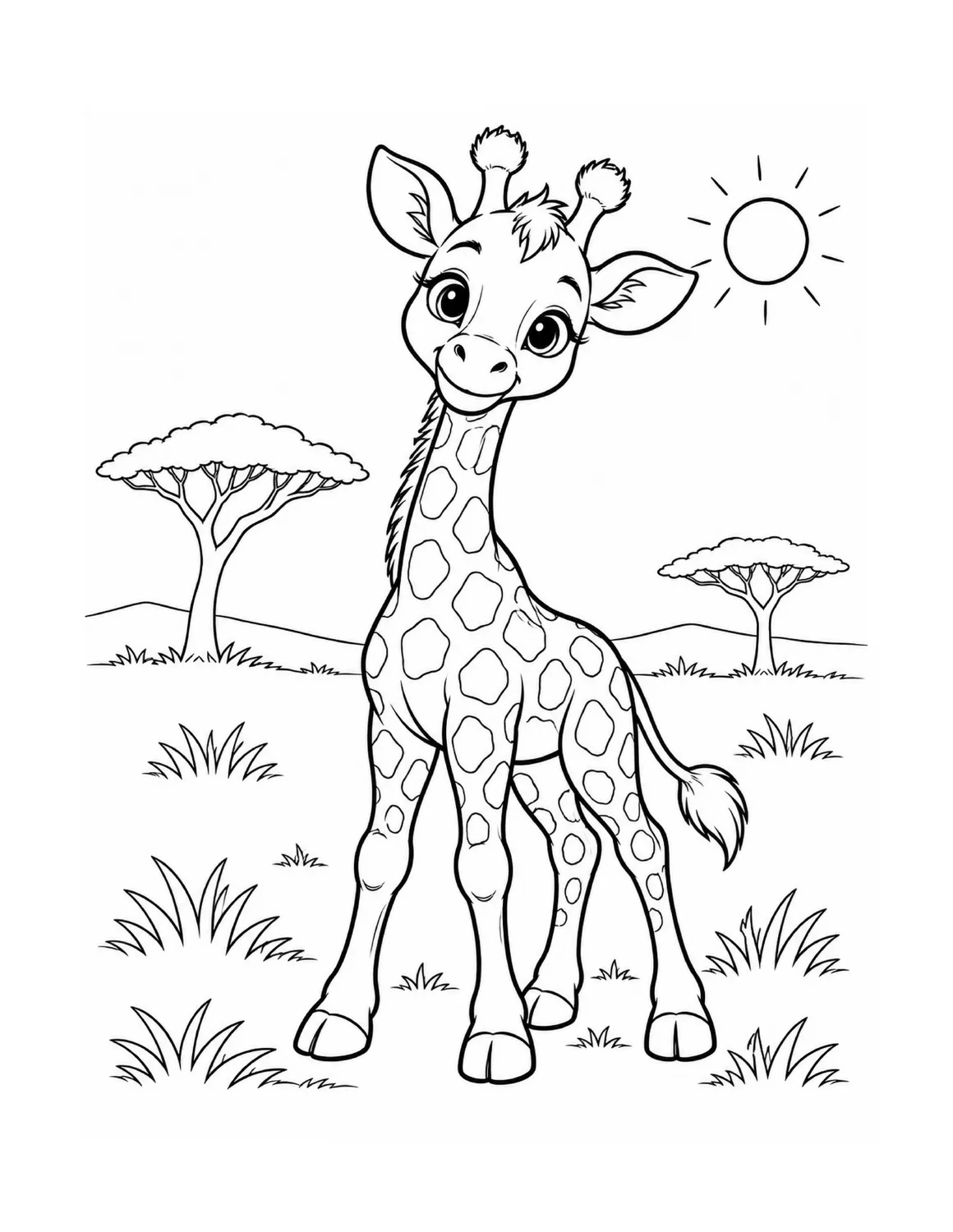
Our Baby Animals book is an English, black-and-white paperback intended for ages 4–8. Its 88 pages contain 40 baby animals with coloring illustrations and short animal introductions. The format is 8.5 × 11 inches, so check that size against the space where you plan to use it.
Prefer a book you can return to?
Explore the real inside pages before deciding. Amazon shows the current paperback price and delivery options for your location.
Check the Baby Animals paperback on AmazonCommon questions
Are printable pages always cheaper?
No. A free file still requires printing supplies. Compare your own estimated printing costs with the delivered book price.
Can I photocopy a purchased book for siblings?
Buying a copy does not automatically give you reproduction permission. Check the rights holder's terms; separate books or original drawings avoid assuming permission that has not been given.
What if I have no printer and do not want to buy today?
Draw a simple original animal on blank paper, or let your child create one. The activity can start without either a downloadable file or a new purchase.
Little Wonder Club publishes the paperback featured here. This comparison describes practical format choices; it is not a measured cost study or a review of competing products. See our travel coloring kit guide for packing ideas.