For a simple savanna drawing, show broad grassy space and scattered trees, then add an original giraffe drawing using a reliable reference. A savanna is not the same as dense rainforest, and not every African animal lives in the same habitat.
Your child draws an animal and asks what should go behind it. “A jungle” is an easy answer, but it does not fit every species or landscape. A simple savanna scene offers a more specific starting point: broad grassy areas with scattered trees rather than a wall of dense forest.
Choose one habitat and one animal
San Diego Zoo's savanna overview describes extensive grasses interrupted by shrubs and trees. Its giraffe page describes giraffes in open, tree-dotted African plains and explains their use of leaves for food. Use those as the factual starting points for this drawing.
This is a broad habitat sketch, not a map of every place giraffes occur. Avoid assigning one home to all African animals or mixing species simply because they appear together in a storybook.
Plan three visible background clues
- Open space: leave much of the background uncluttered.
- Grass: use broad patches or groups of short lines.
- Scattered trees: draw a few separate trees rather than filling every gap.
Start on loose paper with a pencil and familiar dry coloring tools. Ask the child which clue they want to draw first. The page does not need to be a realistic landscape painting; clear simple symbols are enough for discussing the habitat idea.
Make the giraffe a separate first sketch
Try a small original giraffe on scrap paper: a body, long neck, legs, and a head. Look at a reliable reference rather than requiring the child to reproduce a photograph perfectly. If the drawing becomes an invented long-necked creature, call it that and continue with a pretend scene.
For a factual giraffe scene, decide where the animal will stand before drawing every background feature. Put a tree where there is room to see both the neck and the leaves. Large readable shapes are more useful here than crowded details.
A worked page layout
Place the giraffe on the left half of the sheet. Draw one tree on the right with open space between them. Add two grass patches along the bottom and a second smaller tree farther back. A grown-up can write “Savanna sketch” underneath if the child wants a label.
Compare clues rather than grading the picture
| Ask | Look for | Optional change |
|---|---|---|
| Where is the open space? | An area not filled with close trees | Move decorations to a second drawing |
| What suggests grass? | Visible patches or repeated short marks | Add one broad grassy area |
| Can we see the animal? | A readable original giraffe shape | Use a larger animal on another sheet |
If the child wants an animal castle, rainbow waterfall, or forest of enormous flowers, keep those ideas for a clearly named pretend habitat. Imagination does not need to be corrected into a factual worksheet.
Add one question for next time
Write down a question such as “Which tree leaves does a giraffe eat?” or “Do all savannas look alike?” Use a specific source when you return to it. Asking one question is more manageable than attempting a whole ecosystem lesson while the child is still choosing colors.
Can a coloring book page help?
Yes. A real animal preview can help choose the character, and blank paper gives room for the separate habitat sketch. Do not describe a generic decorative background as an accurate habitat unless you have checked its details.
A ready-made animal coloring option
If your child would like a picture to start with, preview the real Baby Animals pages. Little Wonder Club lists this English paperback for ages 4–8 with 40 baby animals, short facts, and 88 total pages. The original cover reads Wild Babies: A Coloring Journey Through the Animal Kingdom. Choose it for the pictures and layout your child enjoys; it is optional for this activity.
View the paperback and current ordering details on Amazon.
Keep exploring
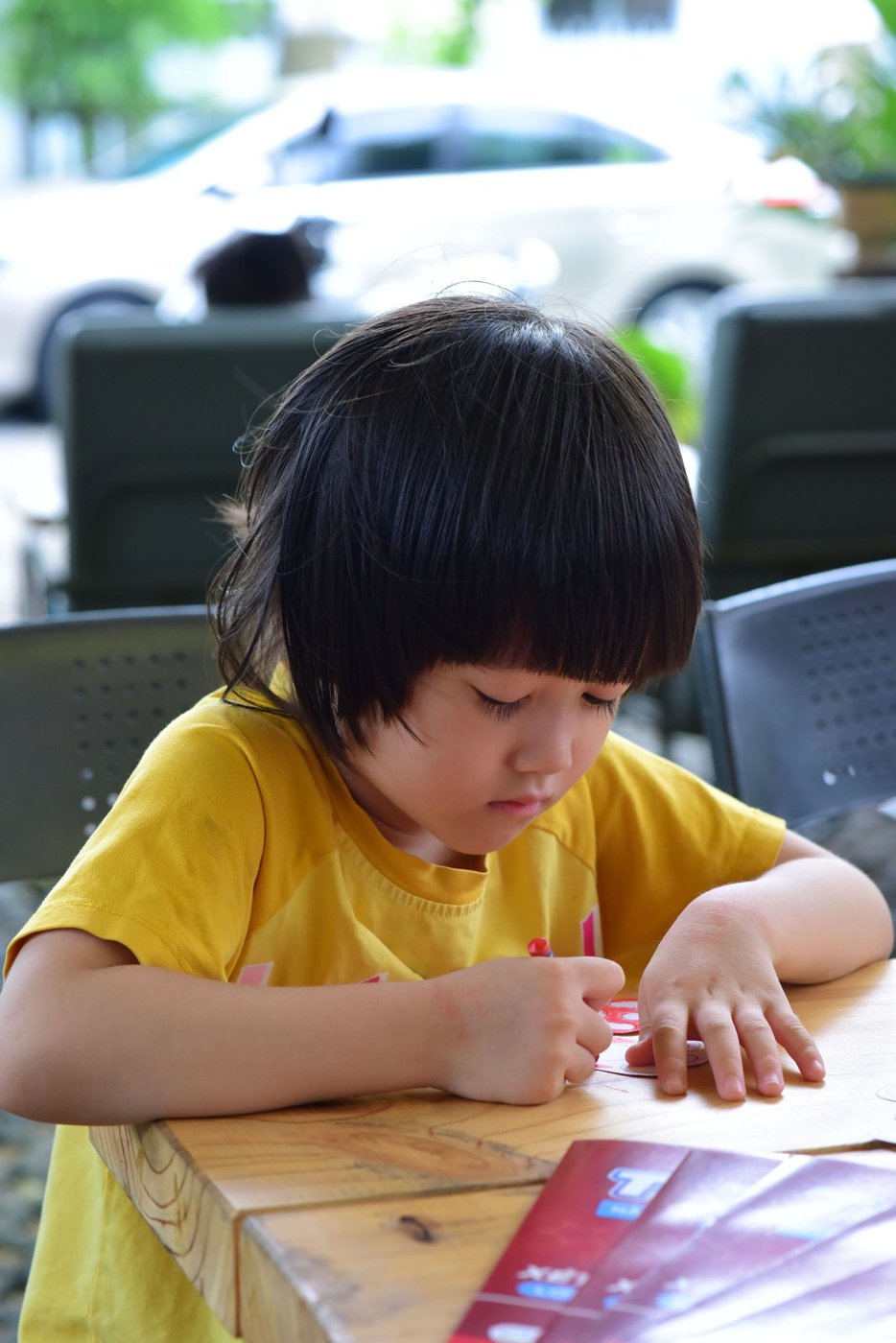
Illustrative stock photo by Sóc Năng Động on Pexels, used under the free Pexels License. The photo does not show our book or demonstrate this specific project. Book details and linked factual sources checked October 9, 2026.
Explore Baby Animals
See the actual inside pages before deciding whether the book fits your child.
Check the paperback on Amazon