Try a white colored pencil on both white and darker scrap paper before using it in a picture. Compare the actual marks in the same light. If a color is hard to see on your chosen sheet, switch the paper, choose another color, or use it as a subtle detail.
Your child picks a white pencil to make a fluffy animal, but the marks barely show on the white sheet. Instead of asking them to press harder, change the experiment. Two paper colors and a small test patch can make the choice visible before you begin a full drawing.
Gather a small comparison set
- A white colored pencil or familiar white drawing tool.
- One piece of white scrap paper.
- One darker piece of paper suitable for the tool.
- Two additional colors your child wants to test.
- A stable, well-lit drawing surface.
Use papers you already have when possible. Label the backs if the sheets have different textures so you remember what you tested. If you use different paper types, the comparison changes more than color, so describe it as a test of these two sheets rather than a universal rule about all paper.
Make six patches before a picture
Place the sheets next to each other. Make a short white mark on each, then repeat with the other two colors. Use a similar number of strokes and view the patches from the same position. Ask which marks are easiest to notice and which blend into the background.
The answer is whatever you can actually see with these supplies. Some tools leave a faint mark, some cover strongly, and a screen photograph may not show the patches exactly as you see them. There is no need to rank the child or buy a special set to make this experiment worthwhile.
Turn the result into an original night scene
A white animal on dark paper
If the white mark is visible on the darker sheet, draw a broad original outline: an oval body, two ears, and a tail. Add a moon or a small window beside it. The animal can be imaginary; you do not need to describe a white coat as a fact about the species.
A dark outline on white paper
If the darker sheet does not work well with your supplies, use the white sheet and a color that shows clearly. Leave part of the paper uncolored for the animal's white fur. The paper itself can provide that part of the picture.
A simple comparison to talk through
| What you notice | What you could try |
|---|---|
| White barely shows on white paper | Leave a white area or switch the background |
| A pale color disappears on one sheet | Choose a more visible tested color for the outline |
| A mark is visible only close up | Use it for a subtle detail rather than the main shape |
| The surface feels awkward | Return to a familiar sheet instead of forcing the tool |
Use the idea beside a coloring book
Keep the experiment on spare sheets. If your book has white pages, a white pencil may be a small detail choice rather than a tool for filling a large obvious area. Try a patch on suitable spare paper and let the child decide whether that effect appeals to them.
Do not darken a whole favorite book page merely to make one pencil visible. A separate original night drawing gives room to explore without changing the printed picture.
Should the child press harder?
Offer a paper or color change first. Pressing harder is not necessary to turn this into a useful comparison, and the child should use the tool comfortably.
A ready-made animal coloring option
If your child would like a picture to start with, preview the real Baby Animals pages. Little Wonder Club lists this English paperback for ages 4–8 with 40 baby animals, short facts, and 88 total pages. The original cover reads Wild Babies: A Coloring Journey Through the Animal Kingdom. Choose it for the pictures and layout your child enjoys; it is optional for this activity.
View the paperback and current ordering details on Amazon.
Keep exploring
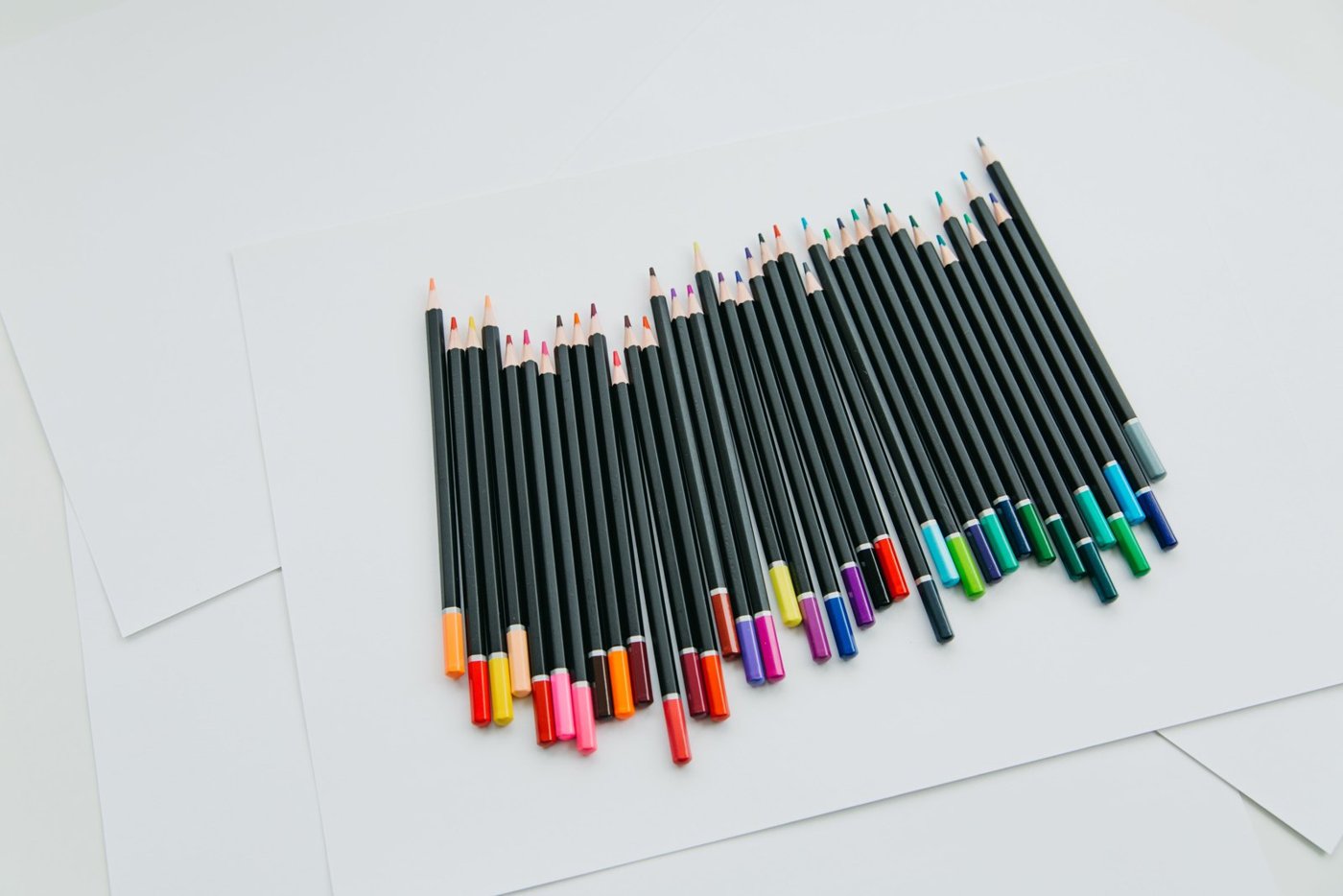
Illustrative stock photo by Anastasia Shuraeva on Pexels, used under the free Pexels License. The photo does not show our book or demonstrate this specific project. Book details and linked factual sources checked October 9, 2026.
Explore Baby Animals
See the actual inside pages before deciding whether the book fits your child.
Check the paperback on Amazon