Choose one familiar animal name, write its first letter, and make an original drawing beside it. Say the name together, keep the animal and initial clearly connected, and add a sentence only if the child wants. One letter page is enough for a first session.
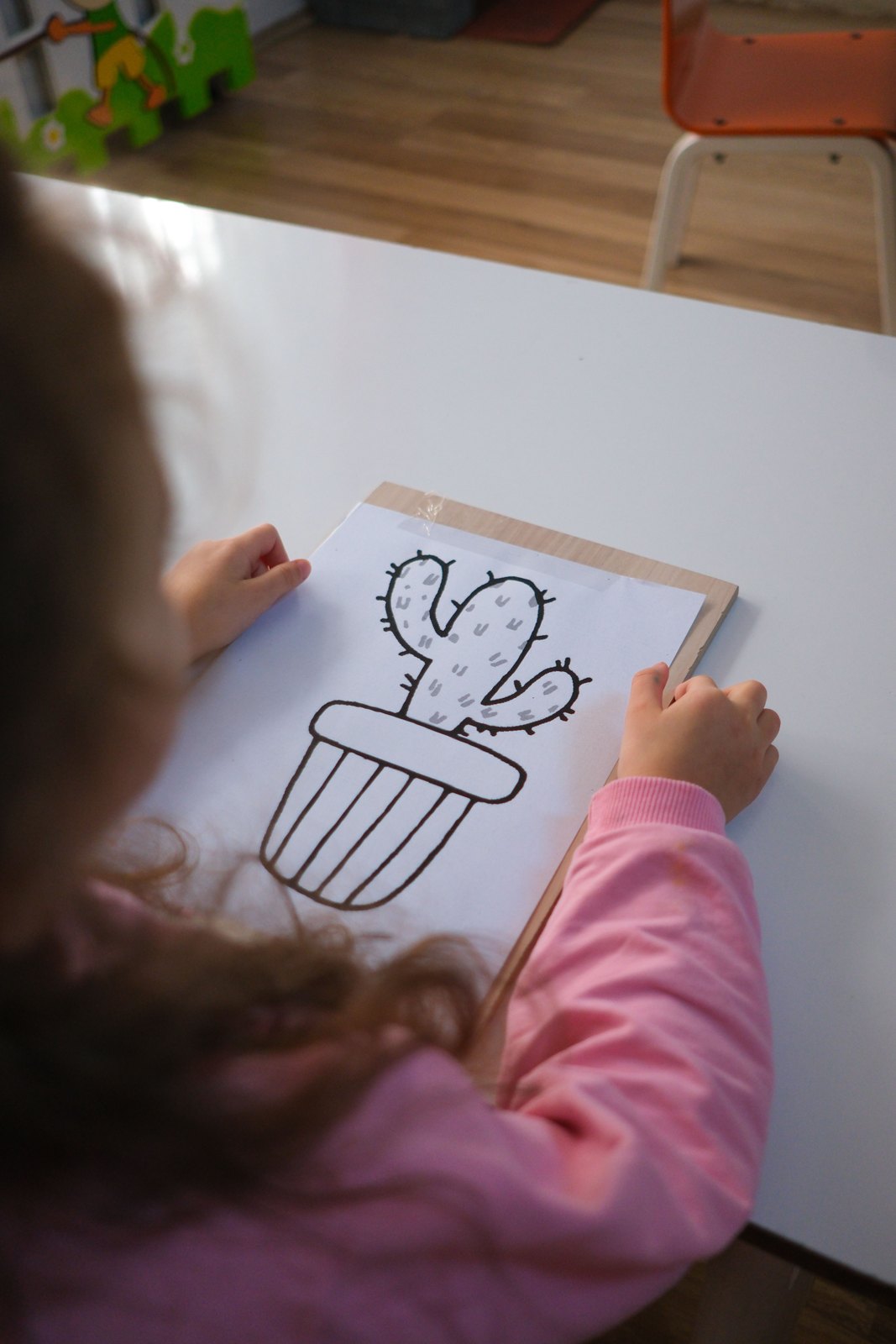
Photo: Emre Gokceoglu / Pexels. Used under the Pexels License. Illustrative stock photography; people shown are not endorsing the book.
A complete animal alphabet can look appealing, but twenty-six pages are a lot to ask from one afternoon. Start with one animal the child likes and make a single page that combines its name, a large letter, and their own picture.
Choose the word before the letter
Ask “Which animal do you want on the page?” If the answer is cat, write “cat” and point to the c. If the child chooses elephant, use e. Keep the label tied to the animal’s actual name rather than choosing a letter first and struggling to find an unfamiliar example.
Use the name your family is using in the activity. In a multilingual household, write separate labels if the names begin with different letters. Do not imply that one English initial applies to the animal’s name in every language.
A simple layout with three parts
- The letter: draw one large upper- or lowercase initial in the left part of the sheet.
- The picture: leave a broad blank area for an original animal drawing.
- The name: write the animal word clearly beneath the picture.
A child can color the letter, draw the animal, dictate a sentence, or do only one of those. If you draw the outline for them, use simple shapes and let them supply the details. It is an art invitation, not a handwriting page that must be completed in a prescribed order.
Three examples to get started
| Animal word | Initial | Original drawing idea |
|---|---|---|
| Cat | C or c | A circle face with triangle ears. |
| Bear | B or b | A round face with two round ears. |
| Fish | F or f | An oval body with a triangle tail. |
These shapes are drawing shortcuts, not anatomy lessons. If a child wants a realistic picture, consult a suitable reference. If they want a purple fish in a spaceship, keep the animal label and enjoy the pretend setting.
Add a sentence with a purpose
Try “My cat likes...” or “This fish is going...” Let the child finish the idea. You can write their words and read them back. The sentence can be funny, factual, or clearly imaginary; its job is to tell the viewer something about the picture.
When the letter becomes the obstacle
If the child wants to draw but does not want a letter, separate the two. Make the animal art now and add a removable label later. If the written word is too small to read, write it on a fresh strip rather than squeezing corrections into the picture.
A child’s participation in one art activity does not establish reading readiness or diagnose a learning difficulty. Let their interest determine how much text belongs on the page, and follow any individualized learning guidance you already have.
Build a small collection over time
Keep three or four pages in a folder if the child wants a collection. On another day, choose a new animal or make a second version of the same letter. Avoid forcing obscure animal names simply to fill every alphabet slot. Familiar words and clearly readable labels make the collection easier to revisit together.
Frequently asked questions
Should I use uppercase or lowercase?
Choose the form that fits your child’s current experience or any learning guidance they follow. You can show both without requiring the child to write both.
Can we use baby-animal names?
Yes, if you know the term is accurate. Label the exact word you are exploring and check unfamiliar terms with a reliable animal reference.
Choose your next small activity
Pair the project with a ready-made animal page
For a separate coloring choice, Wild Little Wonders: Baby Animals is an English paperback for ages 4–8 with 40 baby animals, large coloring pages, and short animal facts. Preview real inside pages and check the book details, then view the paperback on Amazon for current price and delivery. The activities above also work with your own original drawings; no purchase is needed.
Explore Baby Animals
See the actual inside pages before deciding whether the book fits your child.
Check the paperback on Amazon