Pair a library picture book with coloring by reading first, inviting the child to remember one detail, and then choosing a related animal page or blank paper. Keep library books separate from art supplies, avoid copying the illustrations, and let the child's picture be their own response to the story.
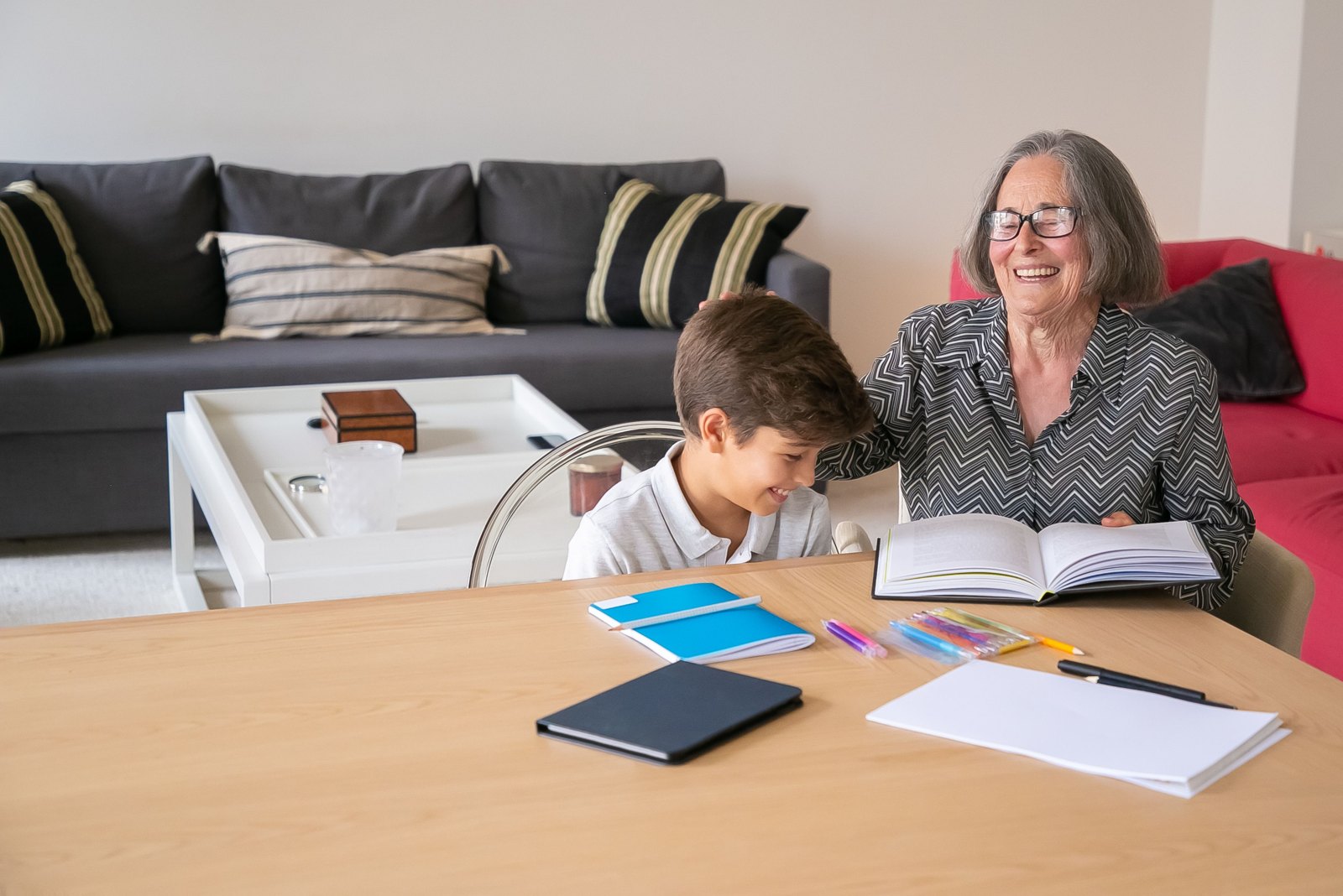
Illustrative stock photo: Kampus Production / Pexels. Used under the Pexels License.
A library picture book can become the start of an afternoon's creative activity without needing matching worksheets. Read a book your child chose, talk about one detail if they want to, and then offer coloring or drawing. Their picture can borrow an idea without reproducing the story's illustrations.
Choose the book before the activity
Begin with a story or nonfiction picture book that interests the child. A book about animals offers an easy connection, but a story about a journey, a garden, or friendship can also inspire a scene. You do not need an exact match between the library book and the coloring page.
Check the library's borrowing rules and return date as usual. During the art activity, put the borrowed book away from crayons, pencil shavings, snacks, and liquids. A library book is something to read, not a surface to decorate.
Read, notice, then create
- Read together in the way your family normally enjoys.
- Ask one optional question: “Which part would you like to remember?”
- Put the borrowed book somewhere clear of the supplies.
- Offer an animal coloring page and blank paper.
- Let the child decide whether to connect the picture to the book.
Separating the reading and making can help each activity have its own space. If the child wants to keep listening while coloring, you can try that too; they do not need to demonstrate that they remember every detail.
Three ways to make the connection
- A remembered setting: draw an original path, garden, or room on blank paper.
- A question: write down something the child wants to find out about an animal.
- A new adventure: invent an entirely new event for a colored animal.
For example, after a story about a character looking for a home, a child could draw an imaginary house for their coloring-page animal. The house and adventure belong to the child rather than being a copy of the book's picture.
Keep facts and invented scenes distinct
A nonfiction book may describe real animals, while the coloring scene includes a purple animal or a house in a cloud. Both can be part of the afternoon if you name the difference: “The book tells us that; this is our pretend scene.” When a factual question comes up, return to a reliable source instead of guessing.
Our animal facts activity guide has more ways to use a short fact without turning creative time into a quiz.
Make a tiny reading-and-art record
On a separate sheet, add the book's title and one sentence the child chooses to share about their own picture. Do not write in the library book. Store the sheet with the drawing or leave it out entirely if the child would rather just make art.
The record can be as simple as “We read a garden story; I made a moon garden.” It does not need a rating, a summary, or a finished coloring page.
Frequently asked questions
Do we need a worksheet for the book?
No. A question, blank paper, and a chosen coloring page are enough.
Can we copy illustrations from the library book?
This activity uses original responses and separately supplied coloring pages. Use authorized materials rather than assuming the book's pictures can be reproduced.
What if the child wants to draw something unrelated?
Let them. The reading and making can be two enjoyable activities without a direct connection.
Explore an animal coloring book for ages 4–8
Wild Little Wonders: Baby Animals is an English paperback with 40 baby animals, large coloring pages, and short animal facts. Explore the books and inside previews to decide whether its format fits your family. You can also view the Baby Animals paperback on Amazon for current price and delivery.
Explore Baby Animals
See the actual inside pages before deciding whether the book fits your child.
Check the paperback on Amazon