Choose an animal secretly, draw one recognizable feature at a time, and let the other player guess without a timer. Offer a clue or reveal whenever needed. Use original drawings, accept reasonable alternative guesses, and let children switch between drawing and describing.
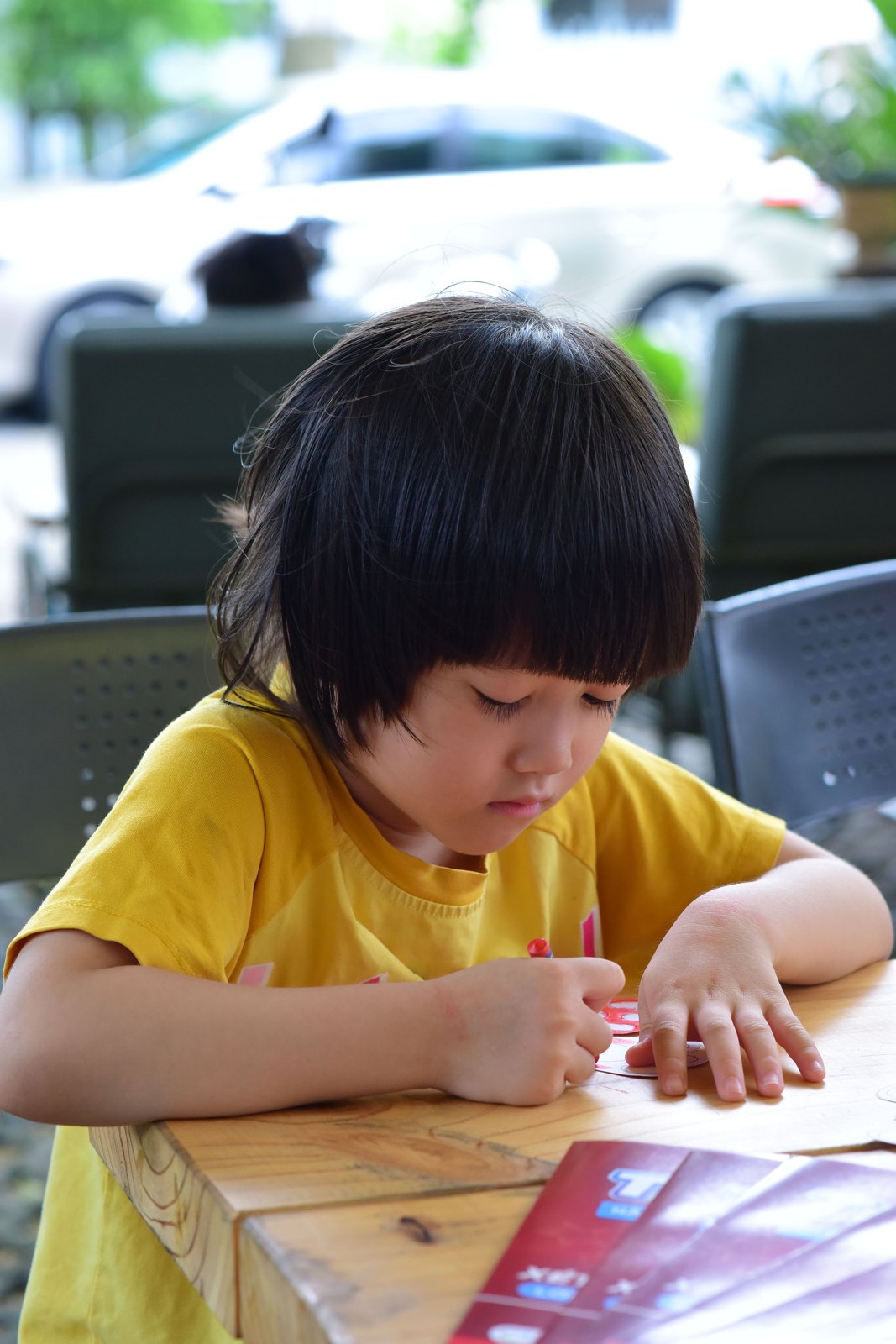
Photo: Sóc Năng Động / Pexels. Used under the Pexels License. Illustrative stock photography; people shown are not endorsing the book.
A drawing guessing game can work with one sheet of paper and a familiar pencil. The interesting part is deciding which feature will help someone recognize your animal. Speed, realistic drawing, and keeping score are optional—and this version leaves them out.
Agree on a small animal pool
Before the first turn, name three to five animals everyone knows. For example: cat, bear, fish, bird, and giraffe. The drawer chooses one secretly. A small pool makes the game easier to explain and avoids obscure answers that only one person could know.
If a child wants imaginary animals, make that a separate round where invented names are allowed. A pretend creature should not become a surprise answer in a round that was supposed to use familiar animals.
Draw one clue at a time
- Start with a broad shape, such as a round face or oval body.
- Pause and invite a guess.
- Add one feature: ears, a tail, a beak, or a long neck.
- Offer another guess or an optional verbal clue.
- Reveal the answer whenever the drawer is ready.
Keep the clues about the drawing if you have not checked species facts. “My picture has a long neck” is visible evidence. A claim about where an animal lives or what it eats should be verified before using it as the deciding clue.
A worked cat round
| Stage | Mark added | What to say |
|---|---|---|
| First clue | A circle. | Several animals could have this face. |
| Second clue | Two triangle ears. | What does the outline remind you of? |
| Third clue | Whisker-like lines. | I was drawing a cat. |
A guess of fox or another pointed-eared animal may be reasonable before the reveal. Treat that as a conversation about clues rather than a wrong answer that loses a point.
Offer a describing role
A child who does not want to draw can describe the animal while an adult makes the marks. Ask permission before adding each feature: “Do you want round ears or triangle ears?” The child remains the clue maker even if someone else holds the pencil.
What to do when a turn stalls
Offer three choices: add a clue, name two possible animals, or reveal the answer. Do not make someone keep guessing because the rules say the turn is unfinished. If a drawing becomes complicated, start another sheet and save the first as its own artwork.
For two children with different interests, alternate roles rather than matching drawing skill. One might make detailed scenes while the other uses three shapes. Both can produce useful clues.
Color after the reveal
Once the animal is named, let the drawer color it, add a setting, or hand the page to another willing player. If multiple people will work on the same drawing, ask before each person changes it. Another option is to make companion pictures on separate sheets.
Stop after a few rounds while the activity is still enjoyable. Keep the pages only if the children want them. A game can finish with a funny guess and a shared reveal, without a winner or a finished coloring collection.
Frequently asked questions
Does the drawing have to look realistic?
No. Agree on the animal pool and use simple recognizable clues. The reveal can explain the artist’s intention even when the outline is ambiguous.
Can we play without coloring afterward?
Yes. Drawing and guessing are the complete activity. Coloring is an optional extension for someone who wants it.
Choose your next small activity
Pair the project with a ready-made animal page
For a separate coloring choice, Wild Little Wonders: Baby Animals is an English paperback for ages 4–8 with 40 baby animals, large coloring pages, and short animal facts. Preview real inside pages and check the book details, then view the paperback on Amazon for current price and delivery. The activities above also work with your own original drawings; no purchase is needed.
Explore Baby Animals
See the actual inside pages before deciding whether the book fits your child.
Check the paperback on Amazon