For a simple paper animal puppet show, draw two original characters on sturdy paper and use folded paper stands. Make a tabletop stage from a folded sheet, then give each character one line and an ending. An adult can handle cutting; no sticks or elaborate theater are required.
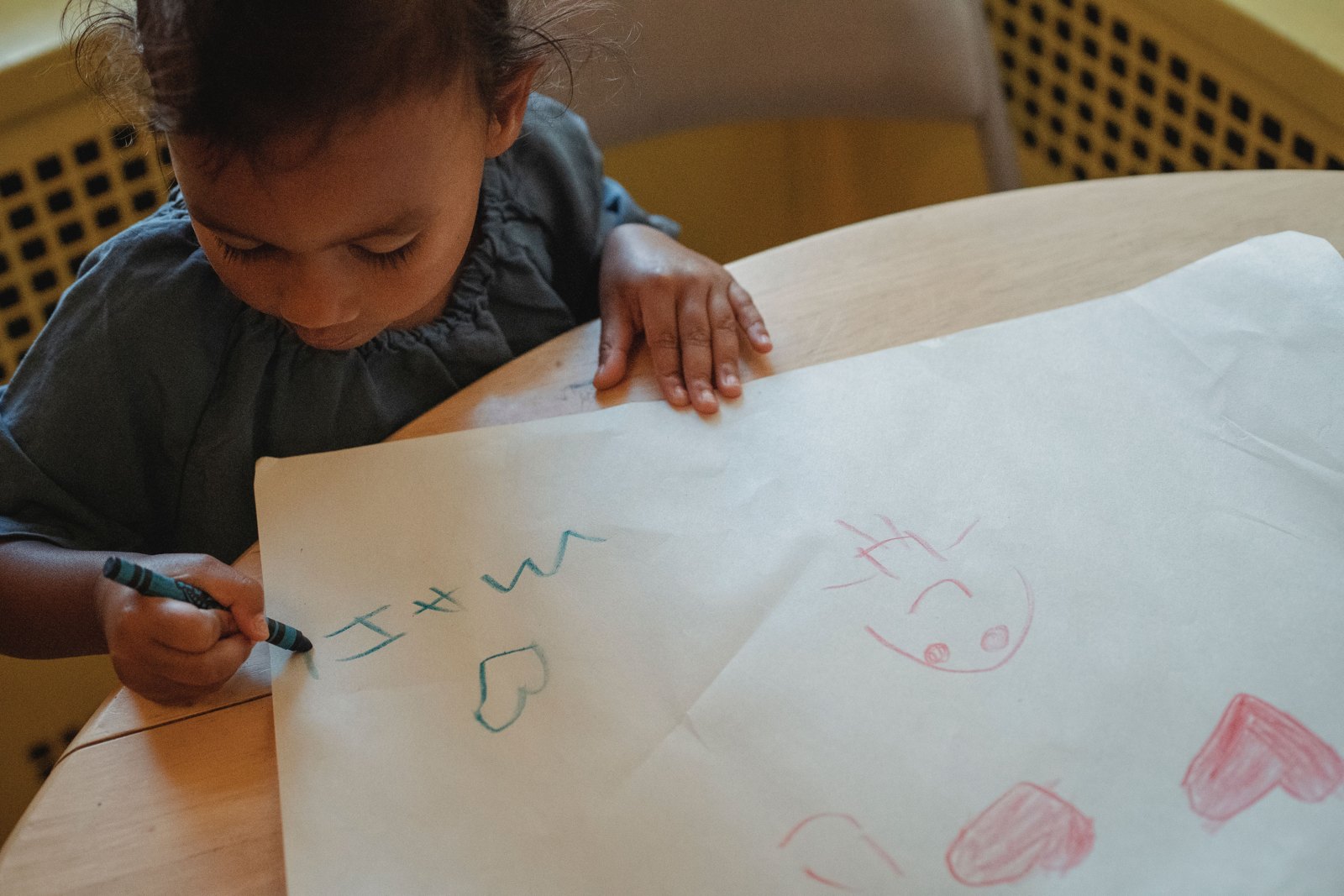
Photo: Kamaji Ogino / Pexels. Used under the Pexels License. Illustrative stock photography; people shown are not endorsing the book.
A puppet show can begin with two colored drawings and a folded piece of paper. This tabletop version avoids building a full theater and gives children room to invent the characters’ voices, actions, and setting.
Make characters from original drawings
Draw two large animal shapes on sturdy paper. Leave broad areas for color and keep the outer shapes simple. A round bear and an oval fish are good starting ideas, but the child can invent any creature they want.
Use blank paper rather than cutting up a book the child values. If you draw the outline, ask which features the character should have before adding details. A puppet can be a silly fictional animal without needing to match a reference photograph.
Choose a no-stick setup
- Let the child color each character.
- Have an adult trim the outline if separate figures are wanted.
- Fold a small sturdy paper strip into a triangular stand.
- Attach or rest the figure against the stand using a method appropriate for the materials.
- Test it on the table before starting the story.
If the figures do not stand reliably, skip the stands and slide flat drawings across a larger sheet. A moving picture can still tell a story. Use materials labeled for the children’s ages and keep any loose small accessories out of this simple version.
Build a stage with two zones
Fold a large sheet so part rests on the table and part stands as a backdrop. Draw one setting detail on it: a doorway, a pond, or a pretend cafe. Leave the middle area clear so the characters have somewhere to move.
| Zone | Purpose | Example |
|---|---|---|
| Waiting area | Characters stay here until their turn. | The left side of the table. |
| Story area | One action happens here. | The open space in front of the backdrop. |
A three-line script
Bear: “I am looking for a place to have a picnic.” Fish: “There is a pretend garden behind that door.” Both: “Let’s draw the garden together.” The child can change every line. The script is only a way to get the figures moving.
Keep the audience optional
Some children want a full family performance; others want to play quietly at the table. Ask before inviting an audience or recording anything. A show can happen for one adult, one sibling, or nobody at all.
When two children share the activity, give them separate characters and agree on how to start. If they want different stories, make two short shows. They do not need to negotiate a complex plot just to enjoy the paper figures.
Extend only the part the child likes
If coloring was the favorite part, make another character. If voices were the favorite part, reuse the same two figures with a new conversation. If the backdrop was the main interest, draw another setting. This keeps the project child-led instead of adding props because an adult thinks the stage looks unfinished.
Store the figures flat in an envelope when possible and keep the backdrop folded nearby. Before another show, check the stands again. A reusable small setup can be easier to revisit than a large craft that takes over the room.
Frequently asked questions
Do I need craft sticks?
No. Use folded paper stands or move flat drawings on the table. Choose whichever setup is stable and suitable for the children.
Can we use realistic animal facts in the story?
Yes, if verified. Keep invented dialogue and pretend settings clearly separate from factual claims about real animals.
Choose your next small activity
Pair the project with a ready-made animal page
For a separate coloring choice, Wild Little Wonders: Baby Animals is an English paperback for ages 4–8 with 40 baby animals, large coloring pages, and short animal facts. Preview real inside pages and check the book details, then view the paperback on Amazon for current price and delivery. The activities above also work with your own original drawings; no purchase is needed.
Explore Baby Animals
See the actual inside pages before deciding whether the book fits your child.
Check the paperback on Amazon