If your child does not want to color, offer a small choice and let them decline. They might prefer choosing a color, adding one detail, telling a story, drawing on blank paper, or doing another activity. Coloring is optional; interest is not a test of ability.
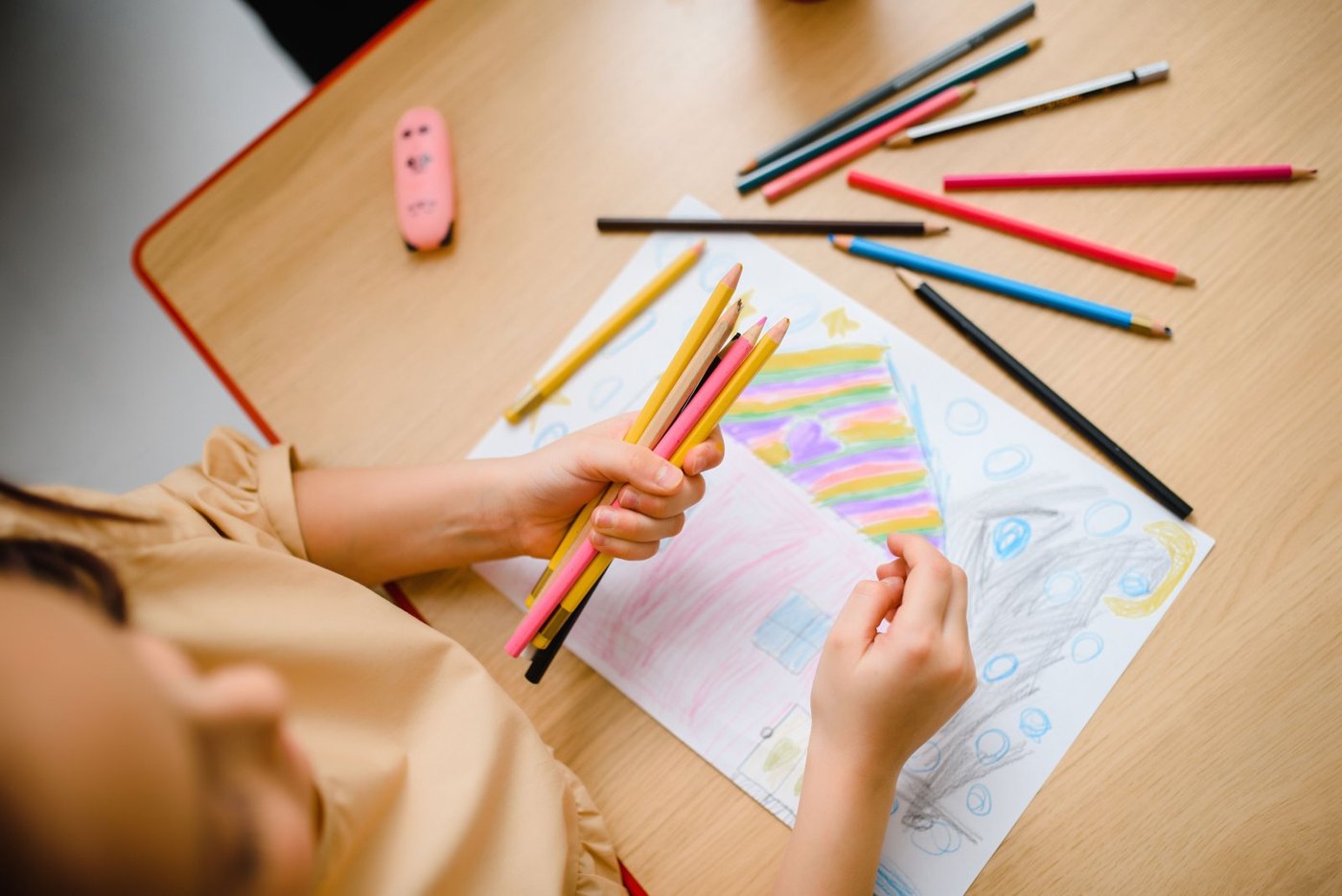
You set out a book and pencils, but your child walks away. It can be tempting to present a more exciting page, add new supplies, or say they must try for ten minutes. First consider that the activity may simply not be the right choice at this moment. A useful invitation leaves room for a genuine no.
Ask one question, then listen
Try “Would you rather draw, help me choose a color, or do something else?” Avoid a long interview about why the book is not appealing. The child may be tired, interested in another game, or unable to explain a preference. This article offers ways to change an activity, not an assessment of development or behavior.
Six small invitations to try on another day
1. Let the child choose the subject
Offer a favorite animal and a blank sheet. If neither interests them, do not keep expanding the menu. Two visible options are easier to act on than a stack of books spread across the table.
2. Change the role
A child can choose the first color while a grown-up makes one mark on the grown-up's own paper. They can be a storyteller, page chooser, or observer without becoming the person who must fill the outline.
3. Make the first action tiny
Invite one spot, one cloud, or one colored ear. Be clear that stopping after that mark is allowed. Do not use a tiny invitation as a disguised commitment to finish the page.
4. Replace the outline with blank paper
A ready picture may feel restrictive to a child who wants to invent the shapes. Put a drawing sheet beside the book and ask which they prefer. The book can remain closed.
5. Offer a different familiar tool
If the chosen pencil is frustrating, offer a comfortable crayon or a tool the child already uses. A new, elaborate set is not required. Keep the surface and cleanup manageable.
6. Connect with a current interest
A child building a pretend animal hospital might want to draw a sign for it. Another might want to name a character or make a map. Start with their play rather than trying to redirect every interest into a purchased book.
A parent-child example
Parent: “I'm drawing a bear. Want to choose the background?” Child: “No, I'm making a garage.” Parent: “Okay. There's paper here if you need a sign.” Later the child draws “Garage” with help spelling the word. That is a useful creative moment even though the bear picture was never colored.
If the child does choose a color, avoid immediately adding more tasks. Let that first action remain enough. Their involvement can expand naturally if they want it to.
When to put the supplies away
End the invitation if you are repeating the same question, the child has clearly declined, or the materials are becoming a source of conflict. Choose something else and revisit art when it fits. A book can be a pleasant option on the shelf rather than a daily requirement.
Should I buy a more advanced coloring book?
Only if the child actually wants different pictures. Lack of interest does not automatically mean the book is too easy or too difficult. Look at previews together before buying another one.
Does refusing to color mean something is wrong?
A preference about one optional activity is not enough to draw that conclusion. If you have broader concerns about your child's comfort or skills, discuss those specific concerns with an appropriate professional rather than interpreting a coloring session as a test.
A ready-made animal coloring option
If your child would like a picture to start with, preview the real Baby Animals pages. Little Wonder Club lists this English paperback for ages 4–8 with 40 baby animals, short facts, and 88 total pages. The original cover reads Wild Babies: A Coloring Journey Through the Animal Kingdom. Choose it for the pictures and layout your child enjoys; it is optional for this activity.
View the paperback and current ordering details on Amazon.
Keep exploring
Illustrative stock photo by Anastasia Shuraeva on Pexels, used under the free Pexels License. The photo does not show our book or demonstrate this specific project. Book details and linked factual sources checked October 9, 2026.
Explore Baby Animals
See the actual inside pages before deciding whether the book fits your child.
Check the paperback on Amazon