Start with usable paper, a stable surface, and intact familiar tools you already own. Add a book or extra supplies only when they solve a specific need. Compare the whole kit cost, not just the price of one attractive item.
A coloring activity can turn into a shopping list before the first mark reaches paper. A quick inventory changes the question from “What does a perfect kit contain?” to “What is actually missing for the activity we want?”
Check three functional basics
Find a usable sheet or a suitable book page, familiar intact coloring tools, and a stable surface. Check that the tools make visible marks on the chosen paper. Set aside dried-out or damaged items instead of counting them as usable supplies.
Storage does not need to be a new organizer. A suitable pouch or shallow tray you already own may be enough. Keep any small supplies appropriate to the children using the area.
Separate required from optional
| For the chosen activity | Examples |
|---|---|
| Required | Paper or an outline, suitable tools, stable support |
| Useful if needed | Replacement favorite pencil, storage pouch, protective work surface |
| Optional | Extra shades, decorative case, a second book |
A printed outline is required only when that is the experience the child wants. Blank paper supports an original drawing without a book purchase.
Compare total costs with a clearly hypothetical example
Imagine a book priced at $10 and new tools at $6: that proposed kit totals $16 before any tax or shipping. If your existing tools work, the same book-only choice is $10 before those extras. These numbers are arithmetic examples, not current prices for Baby Animals or any supply brand.
- List the items you would actually buy.
- Use each retailer’s current price.
- Add applicable tax and shipping shown in your own checkout.
- Remove items that duplicate usable supplies.
- Decide whether the remaining purchase solves the intended need.
Do not estimate savings by comparing only the largest advertised pencil count. A set with unused shades can still be the wrong fit.
Make a buy-later note
During the first session, note a repeated missing need: perhaps a replacement blue pencil or an outline the child likes. One specific request can guide the next purchase more clearly than a generic desire for a bigger kit.
A worked setup
A family uses scrap drawing paper, four good crayons, and an existing tray. The child asks for a ready animal outline next time. That request points toward inspecting a book preview; it does not automatically require a new 48-color set.
Frequently asked questions
Is this a promise that homemade kits are always cheaper?
No. Compare the actual missing items and prices. Existing usable supplies change the calculation.
Should we buy everything before starting?
Usually you can test the basic activity with existing materials. A specialized technique may require different supplies, so choose the activity first.
What if the child wants a gift-style kit?
Presentation can matter. Keep the useful contents clear and avoid promising that extra packaging improves the drawing experience.
Connect the idea with a real book preview
Your own paper is enough for this activity. A ready outline is another option when your child prefers coloring to drawing. Preview Baby Animals, the first adventure presented in Little Wonder Club’s Wild Little Wonders series. The current site lists an English 8.5 × 11-inch paperback for ages 4–8, with 40 baby animals, short facts, and 88 total pages. These companion activities are original journal ideas; check the preview for the book’s actual contents.
View the paperback and current ordering details on Amazon.
Keep exploring
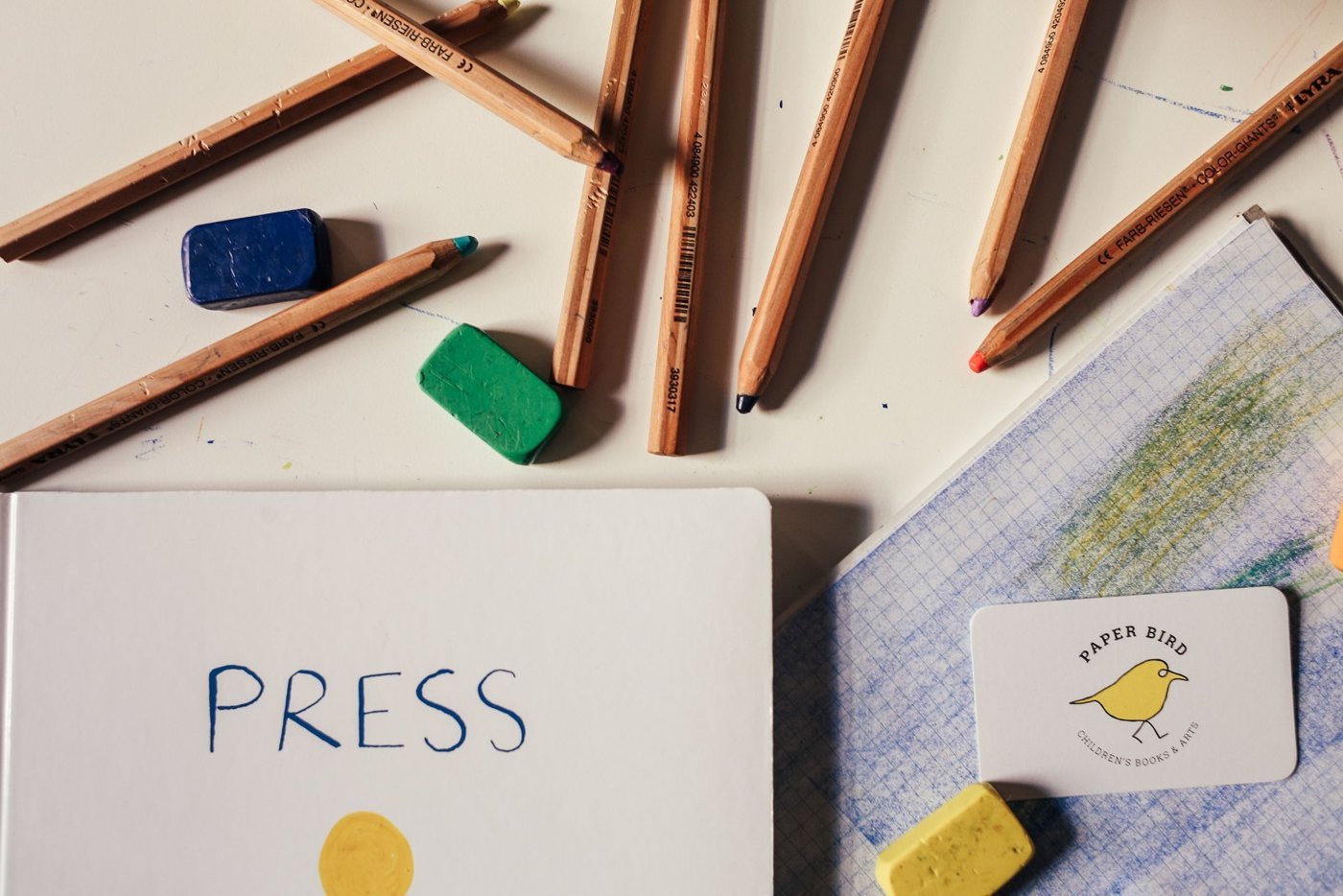
Illustrative stock photograph by Rachel Claire on Pexels, under the free Pexels License. It does not show our book or demonstrate the exact activity. Sources and book details checked October 12, 2026.
Explore Baby Animals
See the actual inside pages before deciding whether the book fits your child.
Check the paperback on Amazon