Some colored pencils are specifically sold as erasable, but results depend on the pencil, paper, and mark. Test a small patch on spare matching paper and stop if the surface starts to change. A mark can also become part of the picture rather than being removed.
Your child wants a blue animal to become green, and reaches for an eraser. Before the page turns into a long repair project, try a small test elsewhere. The useful question is not whether every colored pencil can be erased; it is whether this combination can be changed without damaging the picture your child cares about.
Read the pencil label first
Colored pencils are not all presented as the same kind of product. For example, Crayola sells a specifically labeled erasable colored-pencil set. That product description does not establish how an ordinary pencil from another set will behave, or guarantee a result on every book page. Follow the age guidance and directions on the supplies you actually use.
Set up a three-patch test
Use spare paper similar to the page you intend to color, the same pencil, and a clean familiar eraser. If you have no matching spare paper, a scrap-paper result is only a rough comparison, not proof of what will happen inside the book.
- Make a light patch with one pass of the pencil.
- Make another patch with several passes.
- Leave a third patch untouched for comparison.
- Use a few gentle strokes on part of each of the first two patches.
- Compare both the remaining color and the paper surface.
Stop if the paper begins to fuzz, crease, or tear. More rubbing is not automatically a better test. Do not add water, cleaning products, or solvents to try to rescue a coloring-book page.
Decide what outcome is good enough
| Test result | Possible next step |
|---|---|
| The color becomes lighter and the surface looks unchanged | Ask whether lightening the actual mark would help |
| A visible tint remains | Keep the tint, add a nearby color test, or choose a new detail |
| The paper changes before the mark does | Leave the valued page alone |
| The child no longer wants a repair | Put the eraser away and continue or pause |
A blue-ear example
A child meant to draw a green ear but used blue. On a spare sheet, try a green patch beside blue rather than coloring directly over the ear. If the child likes how the two look together, make the other ear blue too, add a green background, or leave the original choice. There is no requirement for an adult to “fix” the page.
Offer three alternatives to erasing
- Keep it: “This animal can have a blue ear.”
- Add to it: turn a small unwanted mark into a spot, cloud, or flower if the artist wants that.
- Try again elsewhere: make a new original drawing on blank paper while keeping the first picture.
Ask which option the child prefers. A replacement page can be helpful when requested, but immediately replacing every unexpected mark may turn an open-ended activity into a search for a perfect result.
Before starting the next picture
Keep a practice strip beside the book for testing colors. Begin with light marks if the child enjoys that approach, and let the picture change direction. The aim is a workable session with the supplies on hand, not a promise of fully reversible coloring.
Should I buy erasable pencils for every child?
No single supply solves every preference. Try your existing materials first. If changing marks is important to your child, an explicitly erasable product may be worth considering, with its own paper test and age instructions.
A ready-made animal coloring option
If your child would like a picture to start with, preview the real Baby Animals pages. Little Wonder Club lists this English paperback for ages 4–8 with 40 baby animals, short facts, and 88 total pages. The original cover reads Wild Babies: A Coloring Journey Through the Animal Kingdom. Choose it for the pictures and layout your child enjoys; it is optional for this activity.
View the paperback and current ordering details on Amazon.
Keep exploring
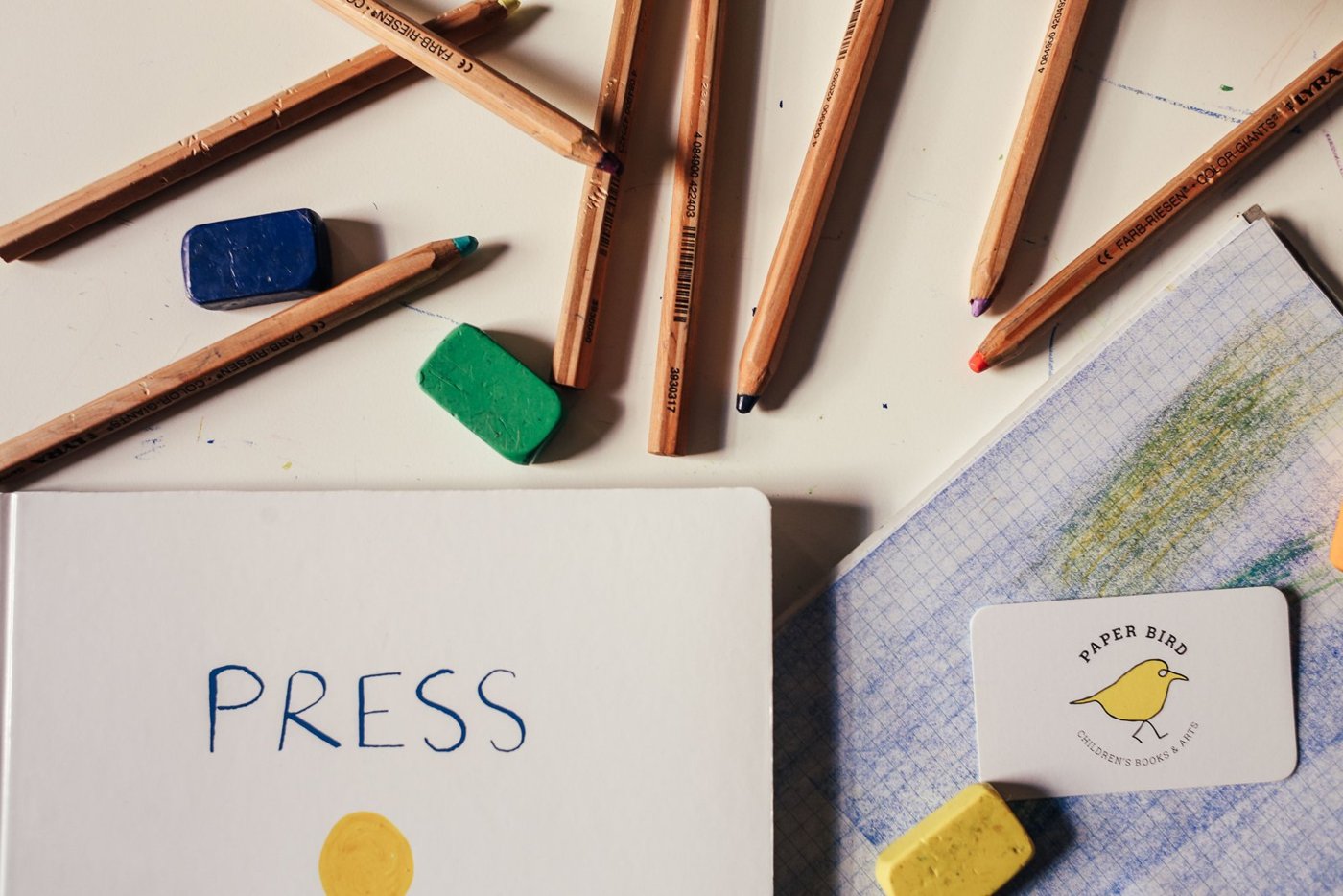
Illustrative stock photo by Rachel Claire on Pexels, used under the free Pexels License. The photo does not show our book or demonstrate this specific project. Book details and linked factual sources checked October 9, 2026.
Explore Baby Animals
See the actual inside pages before deciding whether the book fits your child.
Check the paperback on Amazon