Place a separate sheet over clean, flat textured cardboard, rub gently with the side of a crayon, and use the result as a background for an original animal drawing.
Choose a surface you can inspect
Begin with two pieces of clean packaging cardboard: one smooth and one with a visible raised texture. Use materials you already know are clean and dry. An adult should remove tape, staples, sharp edges, and loose pieces before the child begins. Skip public surfaces and objects that cannot be cleaned or moved safely.
Put plain drawing paper over the first piece. Hold the paper at two corners or let an adult steady it. Choose a crayon with enough exposed side to make a broad mark; follow the supply instructions and help with the wrapper if needed.
Make a test before a picture
Rub lightly across a small patch rather than pressing harder immediately. Lift the sheet and check what appeared. If you see only a solid block of color, try less pressure or another surface. If the paper tears, stop and use a sturdier sheet. The experiment can end with two interesting patches; it does not have to become a finished craft.
Try the same crayon on both cardboard pieces. Keeping the color the same makes the surface difference easier to notice. Ask, “Which marks would you use for a pretend path?” rather than requiring the child to identify the material correctly.
A worked animal scene
Draw a small original animal on a second sheet. Imagine a rabbit walking toward a picnic. Tear a broad strip from the textured test sheet to suggest a path, then arrange it underneath the drawing. An adult can attach the papers with a suitable glue stick once the child likes the arrangement. Leave the animal itself on plain paper if the texture makes its outline hard to see.
The texture is an art choice, not evidence about a real animal habitat. A cardboard pattern can become pretend grass, a cave floor, or an imaginary moon. Let the child explain what they chose.
Keep book pages separate
Use loose paper for rubbing. Pressing a valued paperback against a textured object can crease or mark it, and the print may compete with the texture. If an existing animal page provides inspiration, look at it beside the work rather than placing it under the rubbing.
When the project is finished, keep one labeled sample: “Light pressure on textured cardboard.” Next time you have a practical starting point without storing every test.
A ready-made animal picture to explore
For a separate coloring session, our English Baby Animals paperback offers 40 baby animals across 88 total pages. The original cover reads Wild Babies; the site presents it as the Baby Animals adventure in the Wild Little Wonders series. See the actual Baby Animals inside pages, then view the English paperback on Amazon. Current price and delivery are shown there.
For a related activity, explore turning simple doodles into original coloring pages.
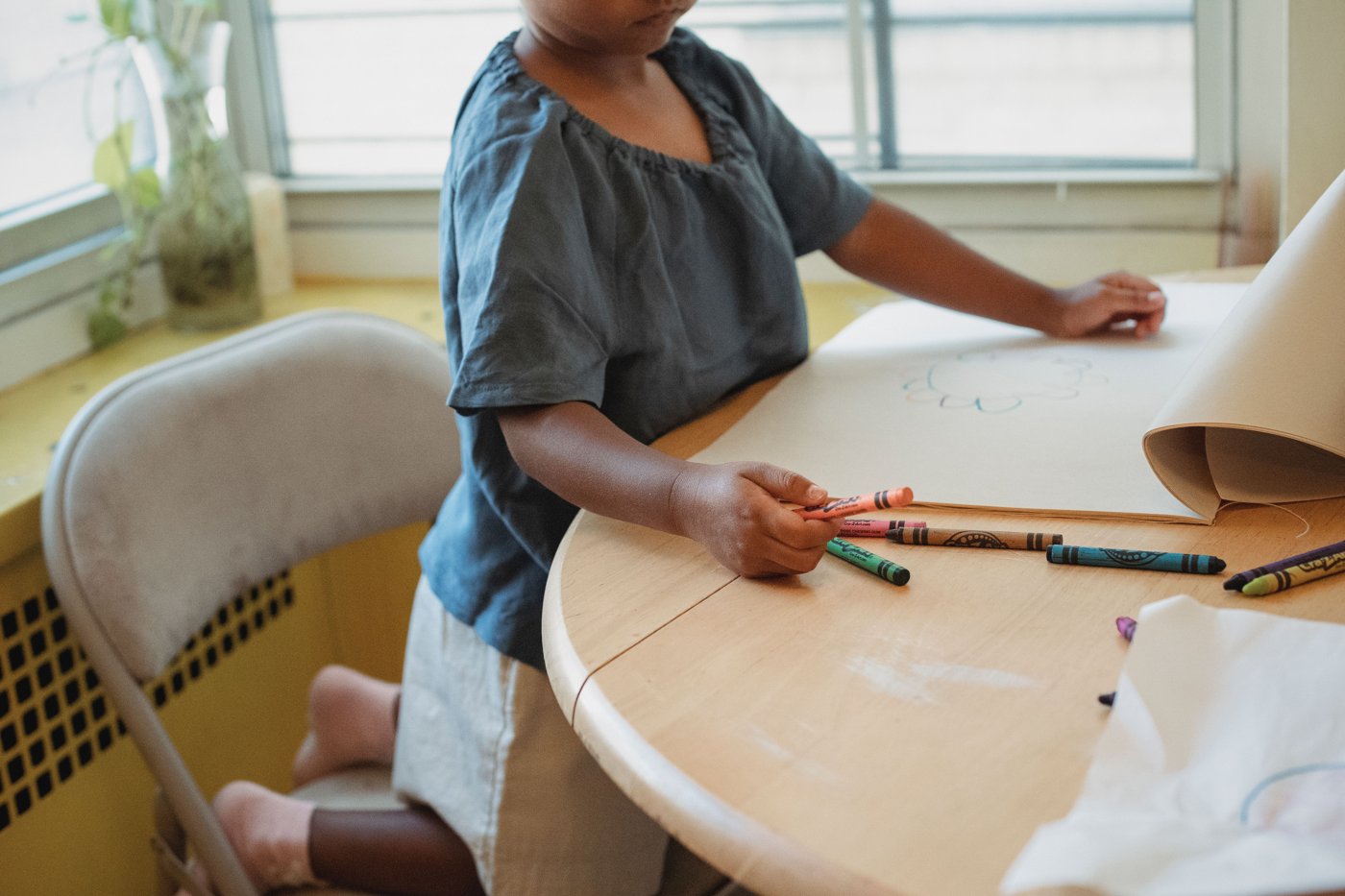
Illustrative stock photo, not a photograph of this project or our book. Photo by Kamaji Ogino on Pexels, used under the Pexels License.
Explore Baby Animals
See the actual inside pages before deciding whether the book fits your child.
Check the paperback on Amazon