Draw two similar simple animal scenes and deliberately change three clear details. Record those changes separately, then compare the pictures without counting accidental drawing variations as extra clues.
Two hand-drawn pictures will never be perfectly identical. A homemade spot-the-difference activity works best when you agree which changes count. Three intentional clues create a manageable puzzle without arguing over every wobble in a pencil line.
Choose a simple repeatable scene
Use paper and familiar tools. Draw an original round cat beside a broad tree and a large cloud. Leave out tiny background decorations. An adult can make both base sketches, or a child can design one and dictate the second version.
Place the two scenes side by side at a similar size. This helps the viewer compare their features without constantly turning pages.
Plan the changes before coloring
- Choose a tail pointing left in one picture and right in the other.
- Put one broad apple symbol in one tree and none in the other.
- Change the cloud from one large shape to two clearly separate shapes.
- Write these three planned changes on a separate answer card.
- Keep other major features as similar as your drawings allow.
These are examples for an imaginary scene. You can choose different changes, but avoid clues so small that the viewer cannot reasonably see them.
Explain what counts as a difference
Say “We planned three changes. Other little drawing variations are allowed.” If the child finds an unplanned change, acknowledge the observation and decide whether to add it to the answer card or keep the original rule.
Offer clues without a clock
A first hint can name the general area: animal, tree, or sky. A second can point near the relevant feature. The reveal card can always be opened; finishing without help is not required.
Keep a useful clue scale
| Clear clue | Often less useful |
|---|---|
| A visible tail direction | A microscopic line-length difference |
| A large added object | A barely visible pencil smudge |
| One shape versus two | An accidental change nobody planned |
Color differences can work too. Test that the two chosen colors appear distinct on your actual paper, and allow a shape clue when color comparison is unwelcome.
Frequently asked questions
Do the drawings need tracing?
No. Simple original scenes can be similar enough when the intended differences are clearly stated.
Can we change a real animal fact?
Keep the scenes pretend. Do not teach an inaccurate body feature as factual just to create a puzzle.
Is this an attention test?
No. This guide makes an optional family game and does not interpret the child’s performance clinically or educationally.
Can the child become the designer?
Yes. Let them choose the changes and hold the reveal card while another family member looks.
Connect the idea with a real book preview
Your own paper is enough for this activity. A ready outline is another option when your child prefers coloring to drawing. Preview Baby Animals, the first adventure presented in Little Wonder Club’s Wild Little Wonders series. The current site lists an English 8.5 × 11-inch paperback for ages 4–8, with 40 baby animals, short facts, and 88 total pages. These companion activities are original journal ideas; check the preview for the book’s actual contents.
View the paperback and current ordering details on Amazon.
Keep exploring
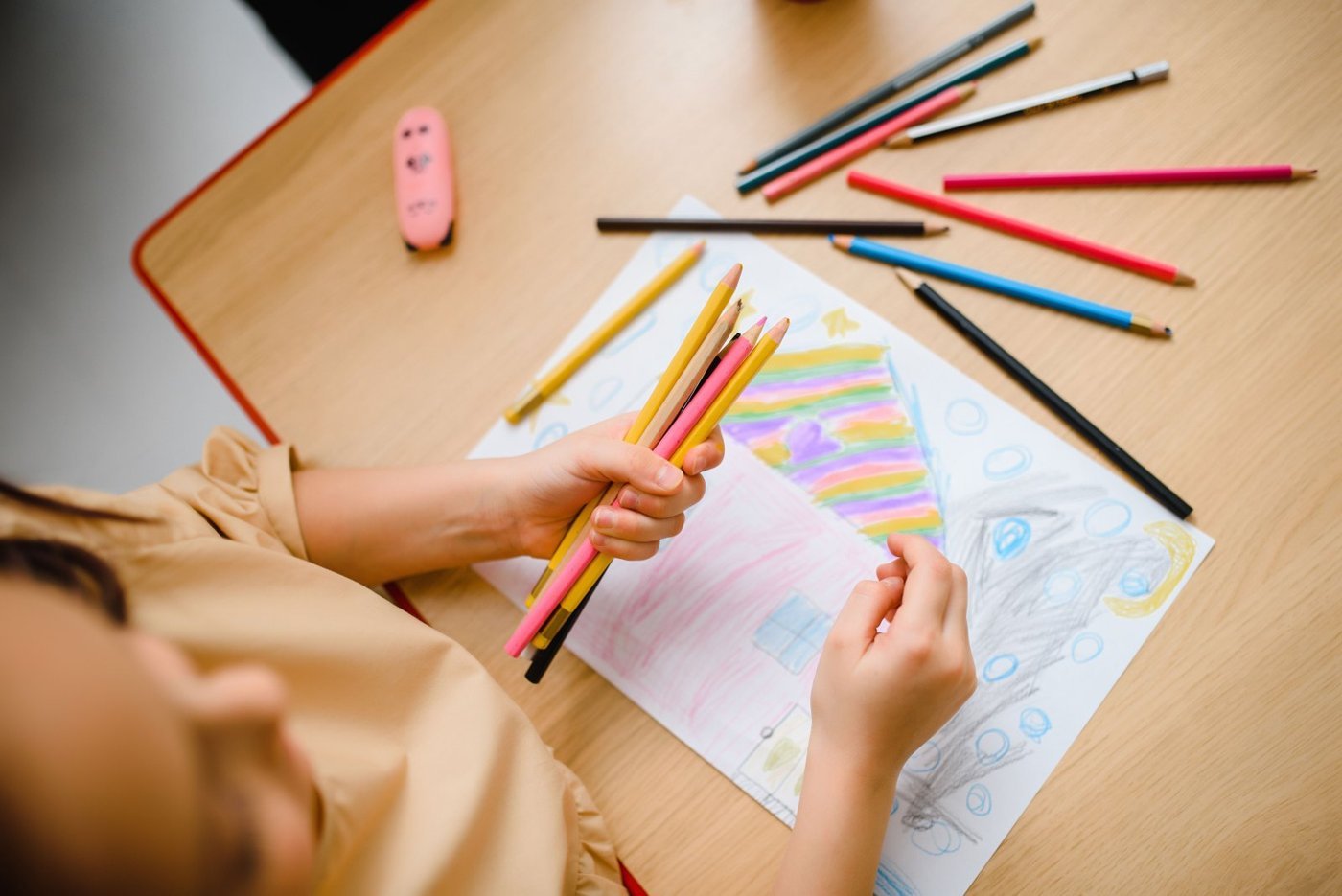
Illustrative stock photograph by Anastasia Shuraeva on Pexels, under the free Pexels License. It does not show our book or demonstrate the exact activity. Sources and book details checked October 12, 2026.
Explore Baby Animals
See the actual inside pages before deciding whether the book fits your child.
Check the paperback on Amazon