A baby elephant and a baby giraffe are both called calves; a baby lion is called a cub. Start with these three verified examples, say the names aloud, and sort your own drawings by the young-animal word. The word alone does not tell you everything about the animal.
“What is the baby called?” is a question children often ask when they see a young animal. You do not need a long vocabulary list to make the answer interesting. Three examples reveal something useful: different animals can share a baby name, while another animal uses a different word.
Begin with three verified names
| Animal | Young-animal word | Source to explore together |
|---|---|---|
| Elephant | Calf; plural calves | San Diego Zoo: elephant |
| Giraffe | Calf; plural calves | San Diego Zoo: giraffe |
| Lion | Cub; plural cubs | San Diego Zoo: lion |
These zoo pages discuss the animals' young using those terms. The table is a small starting set, not a complete list of baby-animal names. Verify each new example before extending the collection.
Make a two-label sorting activity
On a spare sheet, write “calf” on one side and “cub” on the other. Draw three large original animal faces or bodies on separate paper cards. An elephant can have a broad trunk shape, a giraffe a long neck, and a lion a round face. The drawings need only be recognizable to your family.
- Say “elephant calf” while pointing to the elephant drawing.
- Put it beside the calf label.
- Repeat with the giraffe calf.
- Put the lion beside the cub label.
- Ask what the two calf drawings share and what still looks different.
A child can point instead of reading the labels. A grown-up can say the words aloud or draw a small reminder picture beside each label. Keep the activity conversational; there is no need to hide the answers or give a score.
Explain what the label does not mean
Sharing the word “calf” does not mean an elephant and giraffe are the same animal. The word identifies their young; you still need the species name for a complete answer. Likewise, learning one example of “cub” is not enough to infer the name for every other animal you see.
A helpful correction
If the child says “giraffe cub,” try “This one is called a giraffe calf. Let's put it with the elephant calf.” Then move on. One new word can be enough for the session; you do not need to turn a mix-up into a long lesson.
Connect the words with a picture
Choose one original drawing and add a label underneath. The child can color it any way they want. If the artist uses an imaginary coat pattern, separate the two ideas: the baby name is factual, and the colors are their design choice. Ask “Should we write the real name or give your character a pretend nickname too?”
For a child who likes stories, add a simple sentence: “The giraffe calf found a shady place.” Treat that as an invented scene unless you have checked any behavior or habitat claim you want to teach.
Grow the list slowly
When another animal interests your child, use its specific zoo or museum page rather than guessing from the closest-looking creature. Make one new card and write the source on the back for the grown-up. A useful collection grows from questions, not from memorizing dozens of terms at once.
Are all these animals guaranteed to appear in a book?
Check that book's actual contents and preview. This naming activity works independently on blank paper; it does not claim a complete species list for any particular title.
A ready-made animal coloring option
If your child would like a picture to start with, preview the real Baby Animals pages. Little Wonder Club lists this English paperback for ages 4–8 with 40 baby animals, short facts, and 88 total pages. The original cover reads Wild Babies: A Coloring Journey Through the Animal Kingdom. Choose it for the pictures and layout your child enjoys; it is optional for this activity.
View the paperback and current ordering details on Amazon.
Keep exploring
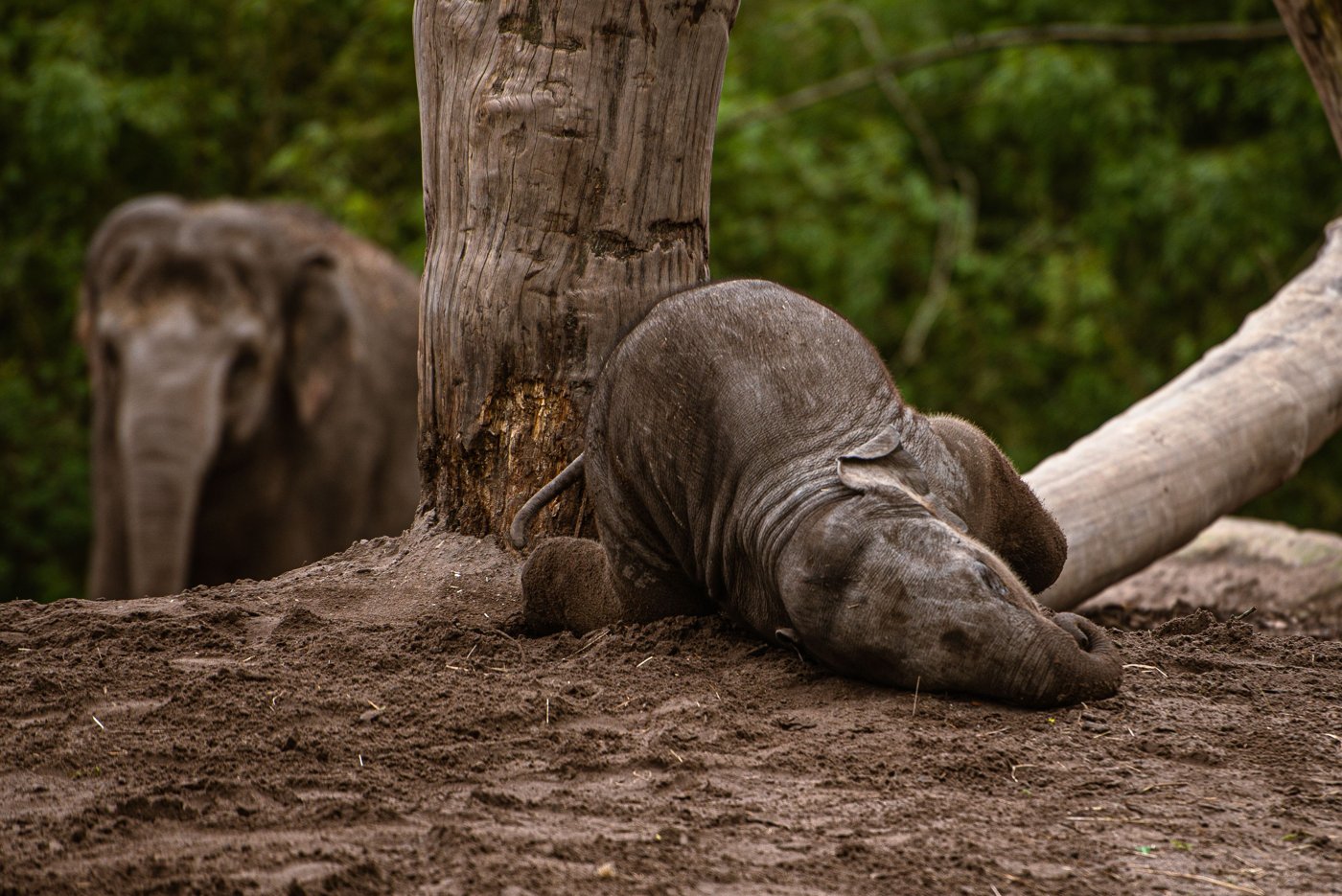
Illustrative stock photo by Flo Photography on Pexels, used under the free Pexels License. The photo does not show our book or demonstrate this specific project. Book details and linked factual sources checked October 9, 2026.
Explore Baby Animals
See the actual inside pages before deciding whether the book fits your child.
Check the paperback on Amazon