For a simple frog life cycle drawing, use four cards: eggs, tadpole, a changing young frog, and adult frog. Many frogs follow an aquatic tadpole pathway, but species differ. Draw arrows to show the sequence and avoid assigning one fixed number of days to every frog.
A young animal does not always look like a smaller adult. A frog offers a clear way to explore that idea with drawings. Use a simplified sequence on paper, then make room for the important qualification: frog species have different life histories, so one classroom-style diagram does not describe every species in every detail.
Read the factual starting point together
San Diego Zoo's frog and toad page describes the familiar pattern in which eggs hatch into tadpoles, which develop legs and change into frogs. The transformation is called metamorphosis. Its amphibian overview also explains changes in body form during development.
For this project, focus on that common pathway rather than exact dates, diet rules, or a promise that all frogs begin in the same kind of pond. Do not collect eggs or tadpoles for the activity. Drawings and the linked references are enough.
Make four large cards
Divide loose paper into four drawing areas or have a grown-up prepare four broad cards. Gather a pencil and familiar coloring tools. Write labels only if they help the child follow the pictures.
| Card | Simple picture | Optional label |
|---|---|---|
| One | A small group of egg shapes | Eggs |
| Two | A rounded body with a tail | Tadpole |
| Three | A changing young frog with legs and a remaining tail | Young frog / froglet |
| Four | A frog body with legs and no tail | Adult frog |
These are simplified pictures of developmental stages, not to-scale scientific illustrations. A grown-up can use the reference page to explain that the changes occur gradually.
Arrange before adding color
- Lay the cards in the sequence described above.
- Ask the child to point to one visible change between neighboring cards.
- Draw arrows on a separate backing sheet.
- Place the cards beside the arrows.
- Add color if the child wants to continue.
Keep the cards visible rather than beginning with a memory test. A younger child may enjoy only comparing the tadpole and frog pictures. Another child may want to draw more intermediate stages. Both are reasonable versions of the same invitation.
A short conversation example
Adult: “What do you notice about these two pictures?” Child: “This one has legs.” Adult: “Yes. We are showing a body change. Want to draw the legs larger so they are easy to see?” That is enough; you do not need to add several new biological terms at once.
Show that a cycle continues
If you arrange the cards in a circle, explain that the adult stage connects to the next generation's eggs. The adult frog does not turn back into its own egg. Use an arrow for the next generation, and let the child ask questions before adding more detail.
Keep pretend details separate
A purple frog wearing boots can be a delightful character on another sheet. Label that picture as a pretend story. For the life cycle diagram, keep the main shapes clear enough to compare stages, even if the child chooses imaginative colors.
How many days does the change take?
Do not give one number for all frogs. Choose a specific species and a reliable source if your child wants a timeline. This activity intentionally teaches a broad sequence without inventing a universal schedule.
A ready-made animal coloring option
If your child would like a picture to start with, preview the real Baby Animals pages. Little Wonder Club lists this English paperback for ages 4–8 with 40 baby animals, short facts, and 88 total pages. The original cover reads Wild Babies: A Coloring Journey Through the Animal Kingdom. Choose it for the pictures and layout your child enjoys; it is optional for this activity.
View the paperback and current ordering details on Amazon.
Keep exploring
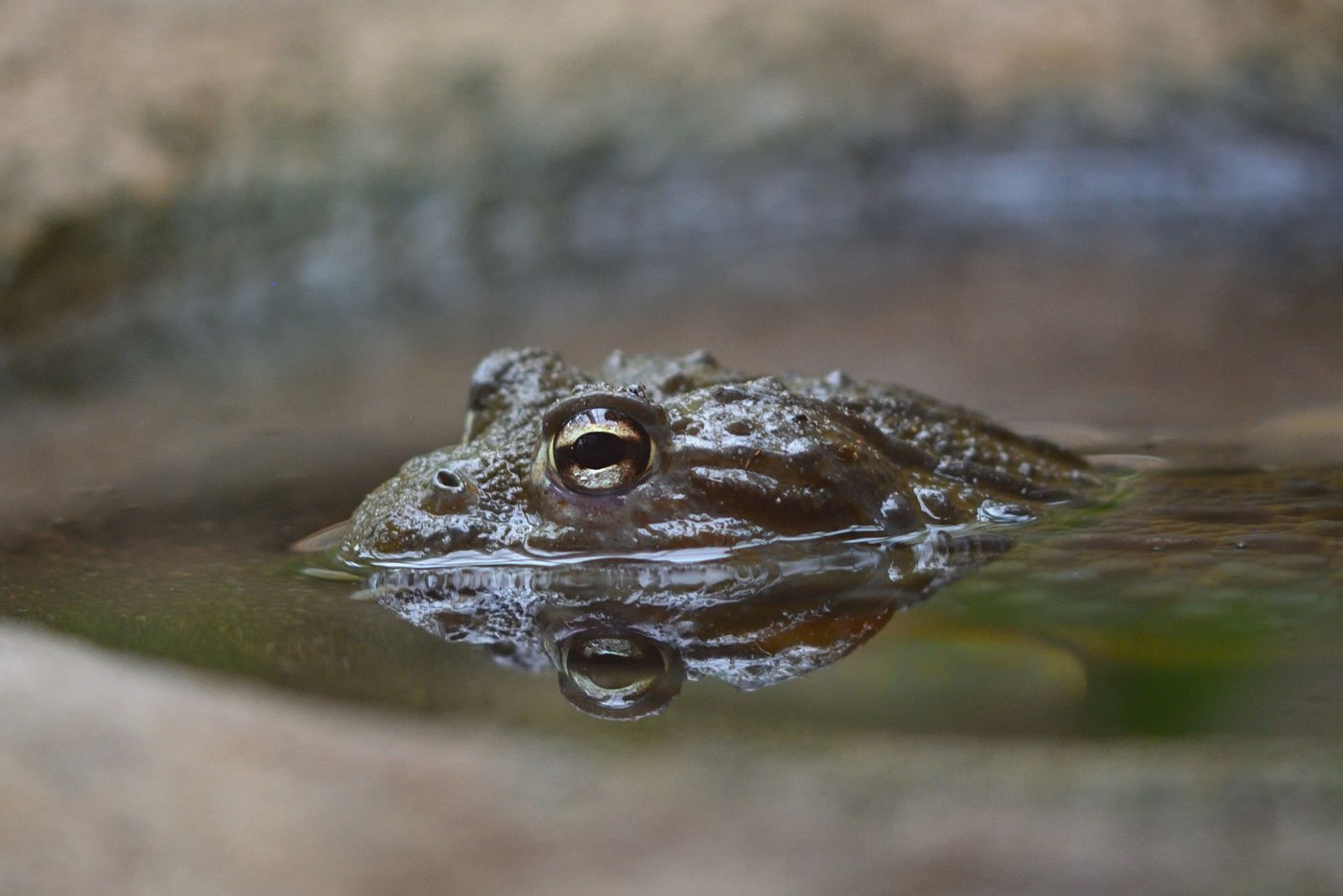
Illustrative stock photo by Jürgen on Pexels, used under the free Pexels License. The photo does not show our book or demonstrate this specific project. Book details and linked factual sources checked October 9, 2026.
Explore Baby Animals
See the actual inside pages before deciding whether the book fits your child.
Check the paperback on Amazon