Reptiles have skin covered in scales or scutes; most amphibians have soft, moist skin. Both groups include animals associated with water or land, so a pond background alone does not decide the group. Check a reliable animal reference.
A turtle and a frog can appear beside the same pond while belonging to different animal groups. Sorting only by the background turns a habitat clue into an unreliable rule. This family guide compares a few sourced features, then uses paper drawings to make the distinction visible.
Use covering clues carefully
San Diego Zoo Wildlife Alliance’s reptile overview describes skin covered in scales or scutes and lists turtles, lizards, snakes, and crocodilians among reptile groups. Its amphibian overview describes the soft, moist skin of most amphibians and includes frogs, toads, salamanders, newts, and caecilians. These sources are more reliable than assigning a group from where an animal happens to sit in one photo.
Make a small comparison chart
| Clue | Reptile comparison | Amphibian comparison |
|---|---|---|
| Covering | Scales or scutes | Most have soft, moist skin |
| One source-listed example | Turtle | Frog |
| What does not settle it? | Being pictured beside water | |
Use the table as an introduction, not as a field-identification guide. A photo may not reveal the covering clearly, and a stylized cartoon may invent it entirely.
Draw two labeled examples
Use two broad panels on plain paper. In the first, draw a simplified turtle with a shell outline. In the second, draw a simple frog with a broad body and visible back legs. Write the group labels using the linked sources, not guesses about the drawings.
- Choose one source-listed example for each group.
- Draw the broad form before small surface marks.
- Add a group label or dictate it to an adult.
- Place a short sourced clue below the label.
- Leave uncertain species-specific details out.
The child’s drawn shell sections or skin marks are illustration choices. They do not replace a real reference for identifying a specific animal.
Show why the background is a separate question
Add a paper pond shape between the panels. Ask whether the background would change the group labels. The labels still come from the animal reference; the pond is part of the scene you designed.
Keep “I see” and “I learned” apart
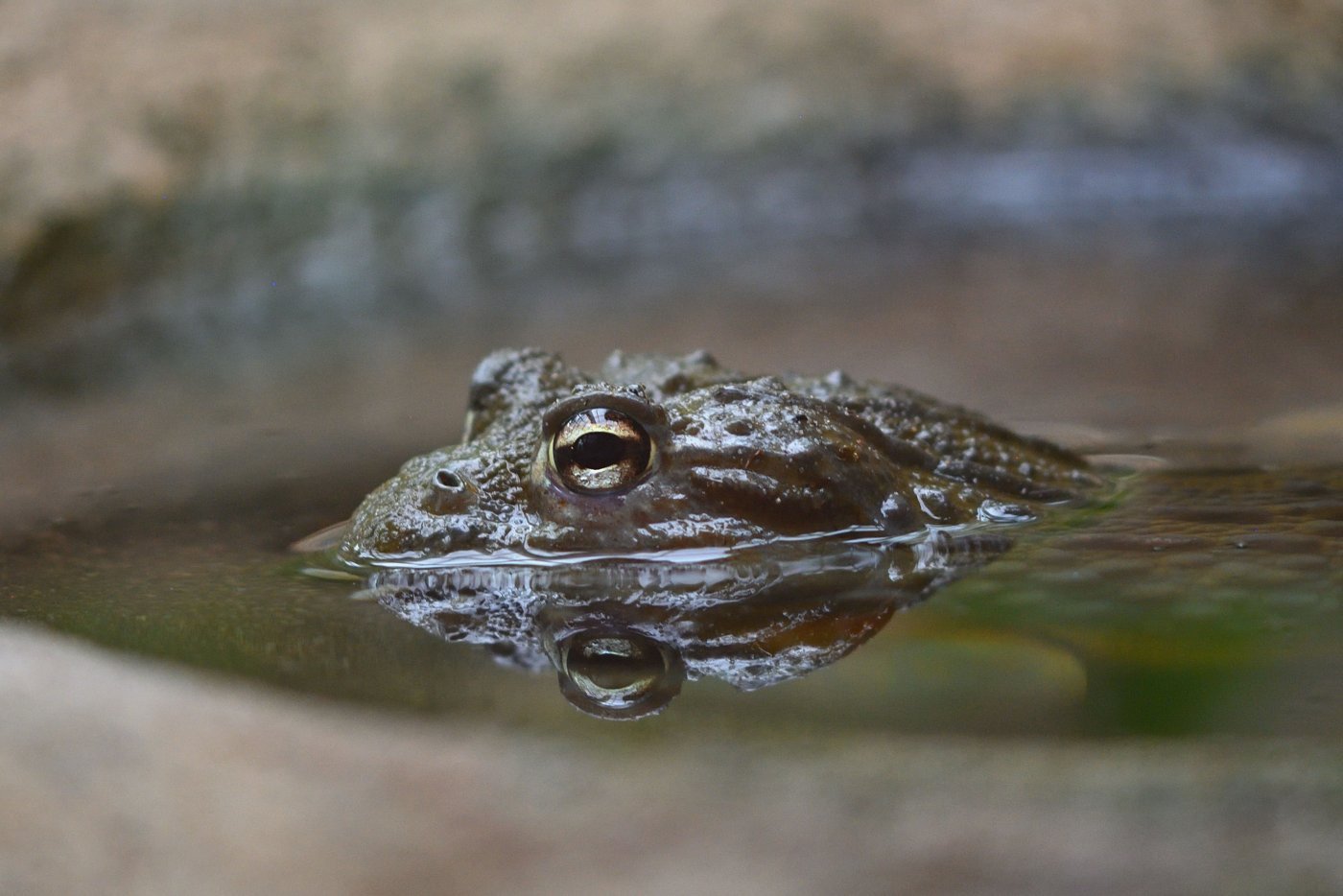
For the credited frog photograph, a child might say, “I see water and one eye.” “Frogs are amphibians” is something learned from the group guide. Both statements are useful, but they come from different kinds of evidence.
Questions families ask
Can we decide by the number of legs?
No. The source-listed groups include examples with different body forms. Use a verified group or species reference instead of a leg-count shortcut.
Do we need to explain every life cycle?
No. A first comparison can stay with group examples and covering clues. If a child asks about growth, choose one named animal and explore its life cycle separately.
Should we touch an animal to check its skin?
No. This project uses pictures and published descriptions. A paper comparison does not require handling wildlife or experimenting on a pet.
Would a ready outline suit today?
This project works with your own paper and drawings. If your child would rather begin with an animal outline, look at the real Baby Animals inside pages together. Little Wonder Club’s English paperback is intended for ages 4–8 and includes 40 baby animals, short facts, and 88 total pages. Choose it if the actual artwork appeals to your child; buying it is optional.
See the paperback and current ordering details on Amazon.
A related idea for another day
Illustrative stock photograph by Jürgen on Pexels, used under the free Pexels License. It is not a photo of our book or a demonstration of this exact project. Product details and linked factual sources checked October 10, 2026.
Explore Baby Animals
See the actual inside pages before deciding whether the book fits your child.
Check the paperback on Amazon