Fold one sheet in half to make four page surfaces: a cover, two inside pictures, and a back-page ending. Draw an original animal in a simple sequence, keep one action per picture, and let the child tell the story aloud without requiring written sentences.
Your child has an animal character and wants to make a “real book,” but a long writing task would stop the idea. One folded sheet offers a small beginning. Pictures can carry the story while a grown-up listens to the child's version.
Keep the book structure simple
Fold a sheet in half and place the folded edge on the left, like a small booklet. You now have a front cover, two inside surfaces, and a back surface. This version needs no cutting, staples, or complicated eight-page folding method.
Use paper that works with your familiar drawing tools. Make a test mark first and avoid very wet media that could affect another surface. If a folded sheet feels crowded, use two separate sheets and arrange them as a sequence instead.
Plan one event, not an entire adventure
Ask “What small thing happens to your animal?” A bird finds a hat, a bear looks for a blanket, or an invented creature discovers a door. Keep the event small enough to show in two or three picture moments. You can make another book later.
| Surface | Picture job | Example |
|---|---|---|
| Front cover | Introduce the character | A small bird beside a big hat |
| Inside left | Show the starting situation | The bird looks at the hat |
| Inside right | Show what changes | The bird pulls the hat over its head |
| Back | Show an ending or extra detail | The hat becomes a pretend house |
This is an imaginary story, not a claim about a real bird's behavior. Name it “The Hat House” if your child would like a title, or leave the cover wordless too.
Draw the pictures in reading order
- Make a small planning sketch on scrap paper.
- Choose a feature that identifies the animal in every picture.
- Draw the inside sequence before adding extra decoration.
- Make the cover introduce the character without explaining everything.
- Add the final back-page image.
The identifying feature can be a broad wing, a distinctive ear, or a particular color. The drawings do not need to match perfectly. If the child changes the character halfway through, listen to the new story instead of requiring a redraw.
Test the sequence with a willing listener
Turn the pages slowly and ask, “What happens here?” Let the child describe their own pictures. If they want the listener to notice something important, they can add a larger visual detail. Avoid quizzing them about a fixed correct version of the plot.
Make words optional
A child can dictate a title or sentence for an adult to write on a separate card. Another child may prefer speech sounds, labels, or no writing. The booklet remains a picture project in each version. Do not turn the book into a reading-level test or promise a particular educational outcome.
Keep a tiny collection
Write the artist's chosen title and date on a storage envelope if wanted. Place the mini book with other original artwork, and ask before displaying or sharing it outside the family. A private family reading can be the entire audience.
Can a coloring book start the story?
Yes: choose an animal theme, then draw an original character in your mini book. Keep the purchased book intact rather than copying or cutting its pages.
A ready-made animal coloring option
If your child would like a picture to start with, preview the real Baby Animals pages. Little Wonder Club lists this English paperback for ages 4–8 with 40 baby animals, short facts, and 88 total pages. The original cover reads Wild Babies: A Coloring Journey Through the Animal Kingdom. Choose it for the pictures and layout your child enjoys; it is optional for this activity.
View the paperback and current ordering details on Amazon.
Keep exploring
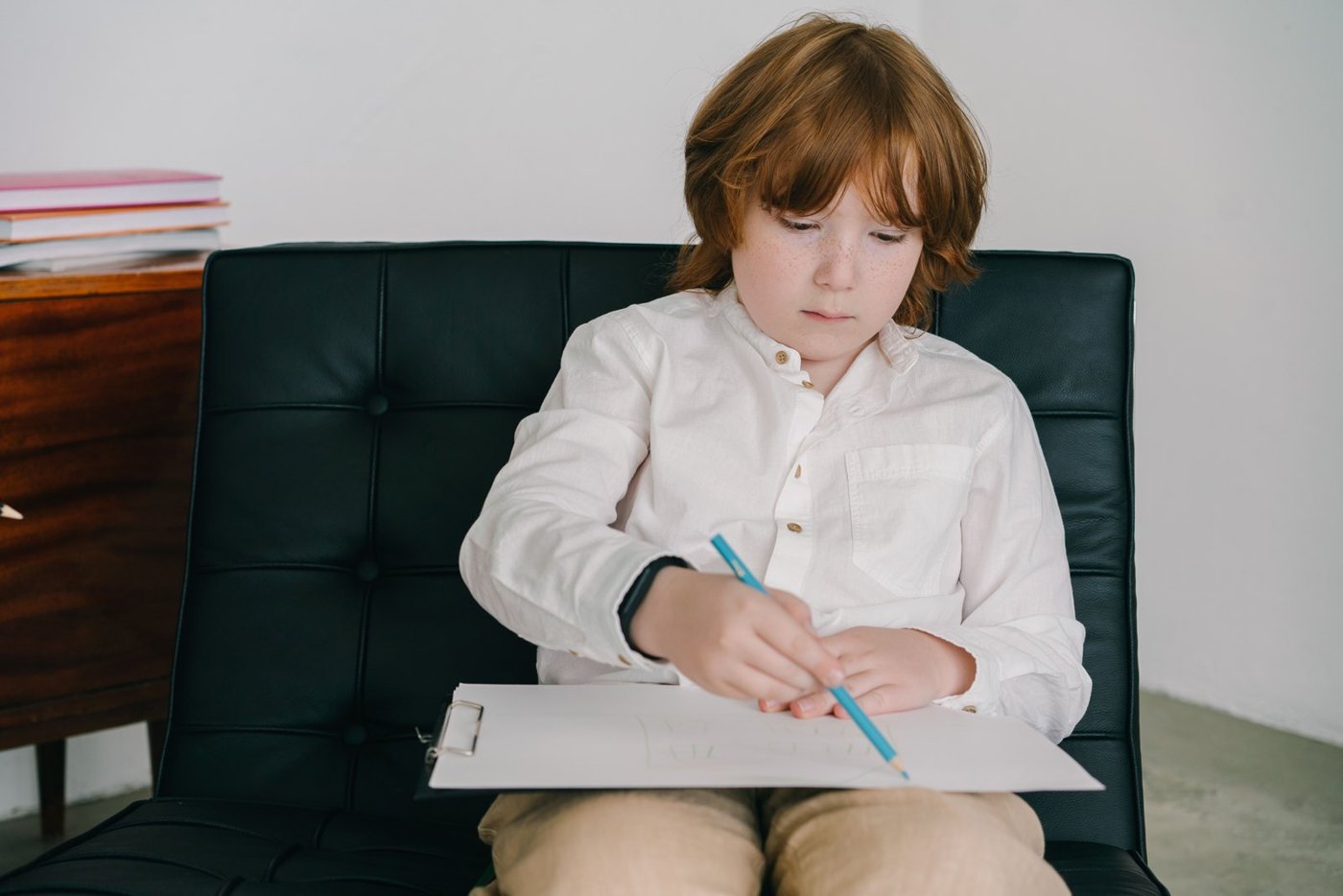
Illustrative stock photo by Mikhail Nilov on Pexels, used under the free Pexels License. The photo does not show our book or demonstrate this specific project. Book details and linked factual sources checked October 9, 2026.
Explore Baby Animals
See the actual inside pages before deciding whether the book fits your child.
Check the paperback on Amazon